Why Pre-Transport Inspections Matter In Heavy Machinery Transport
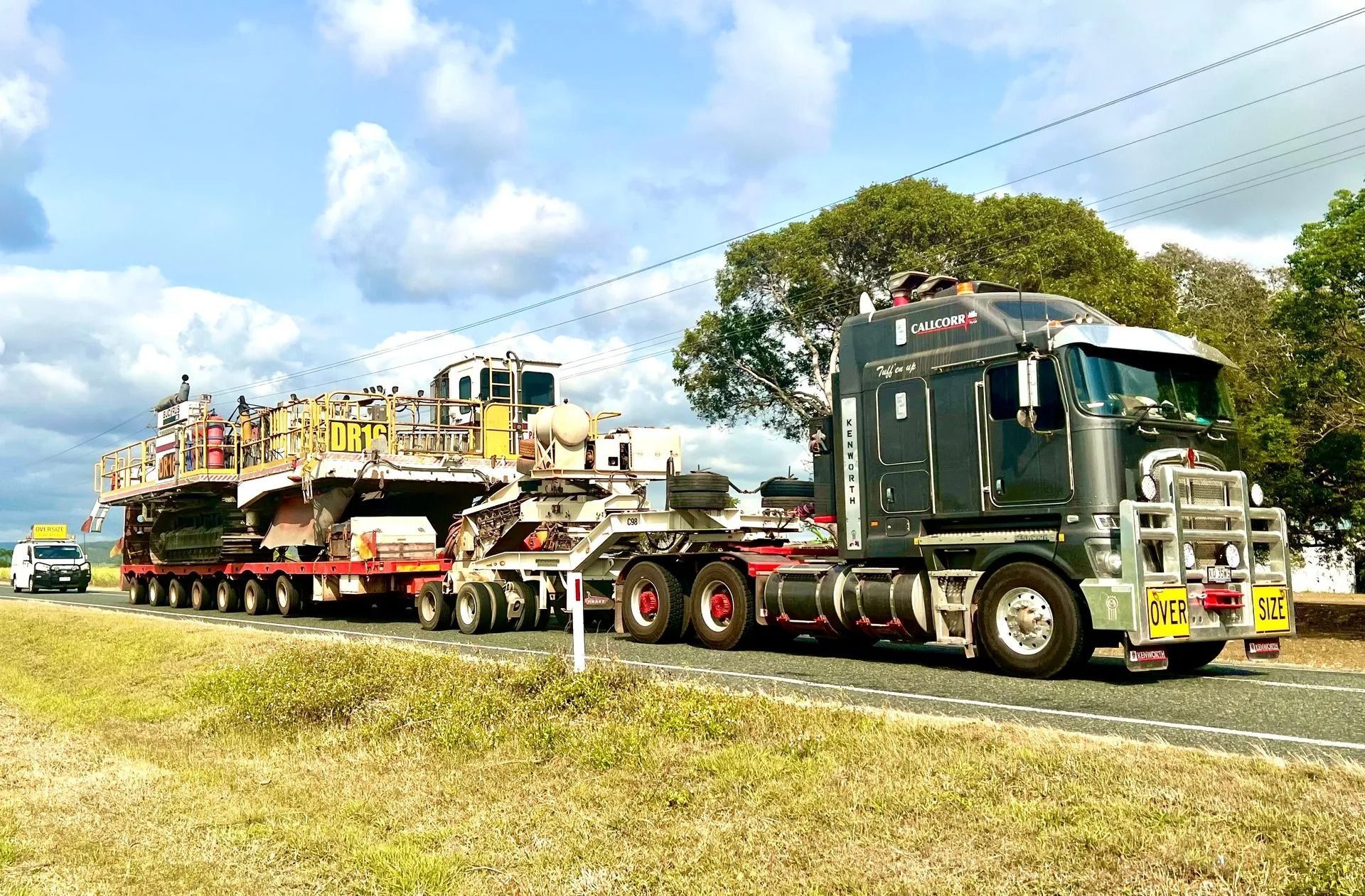
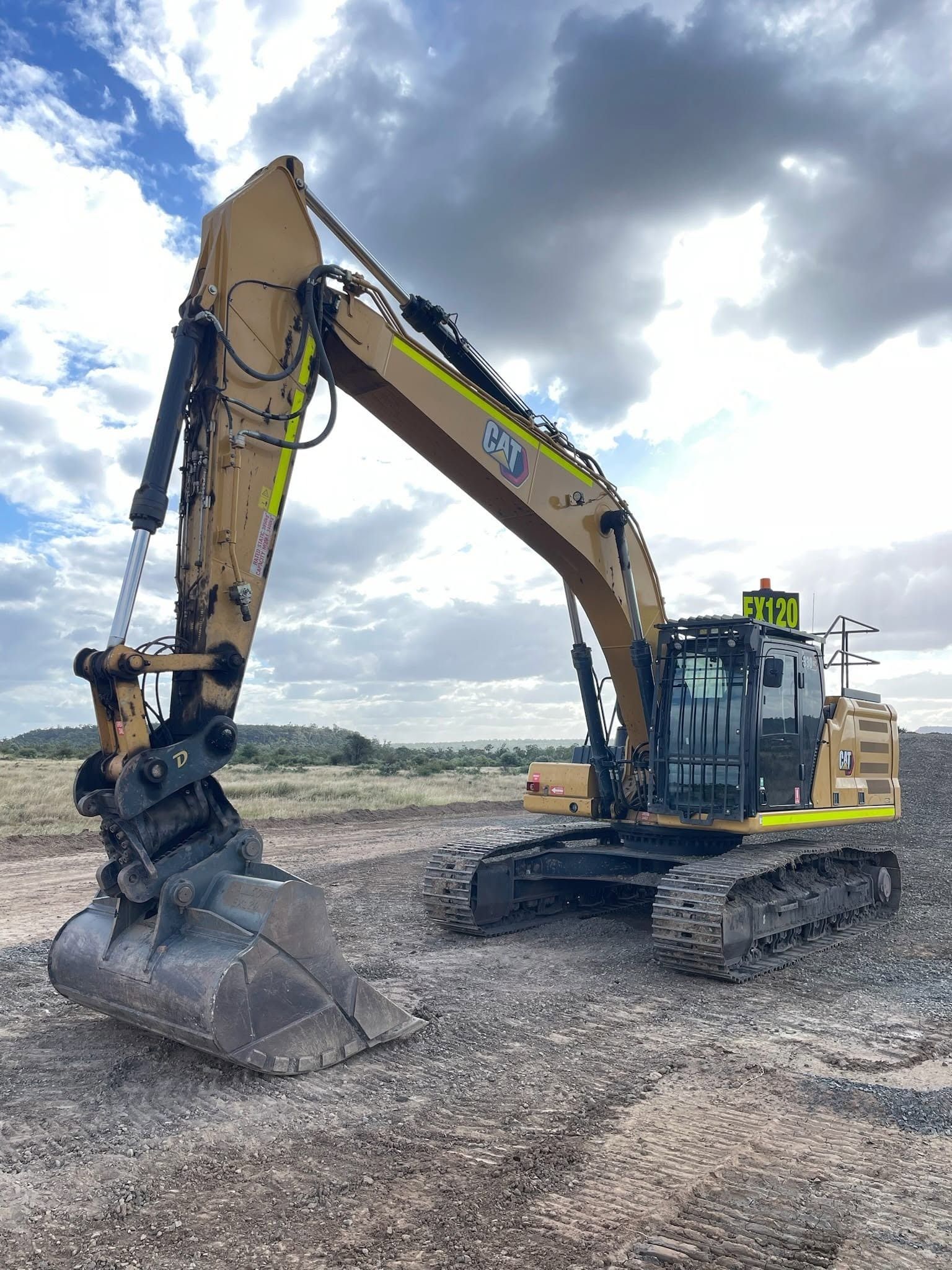
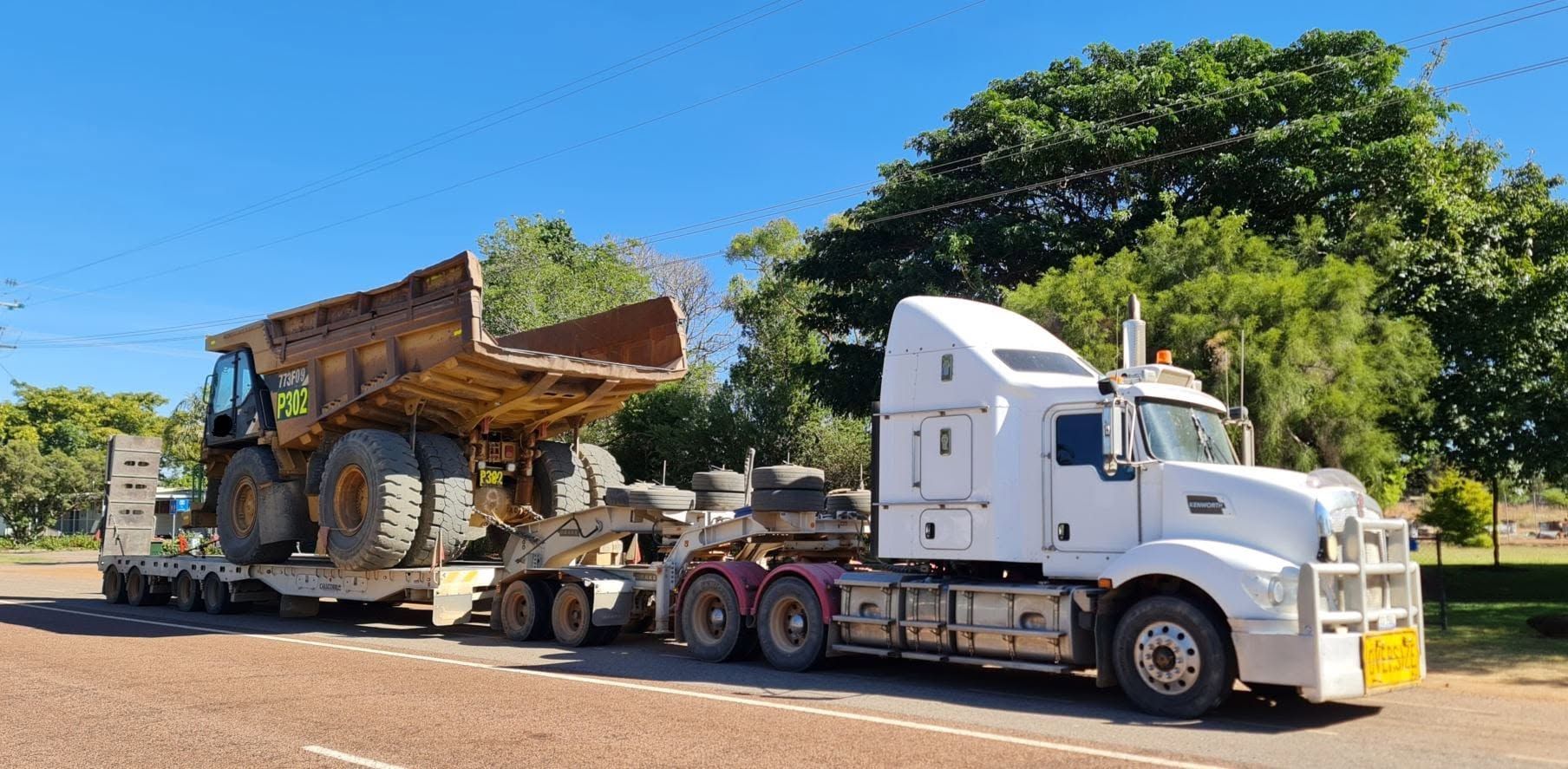
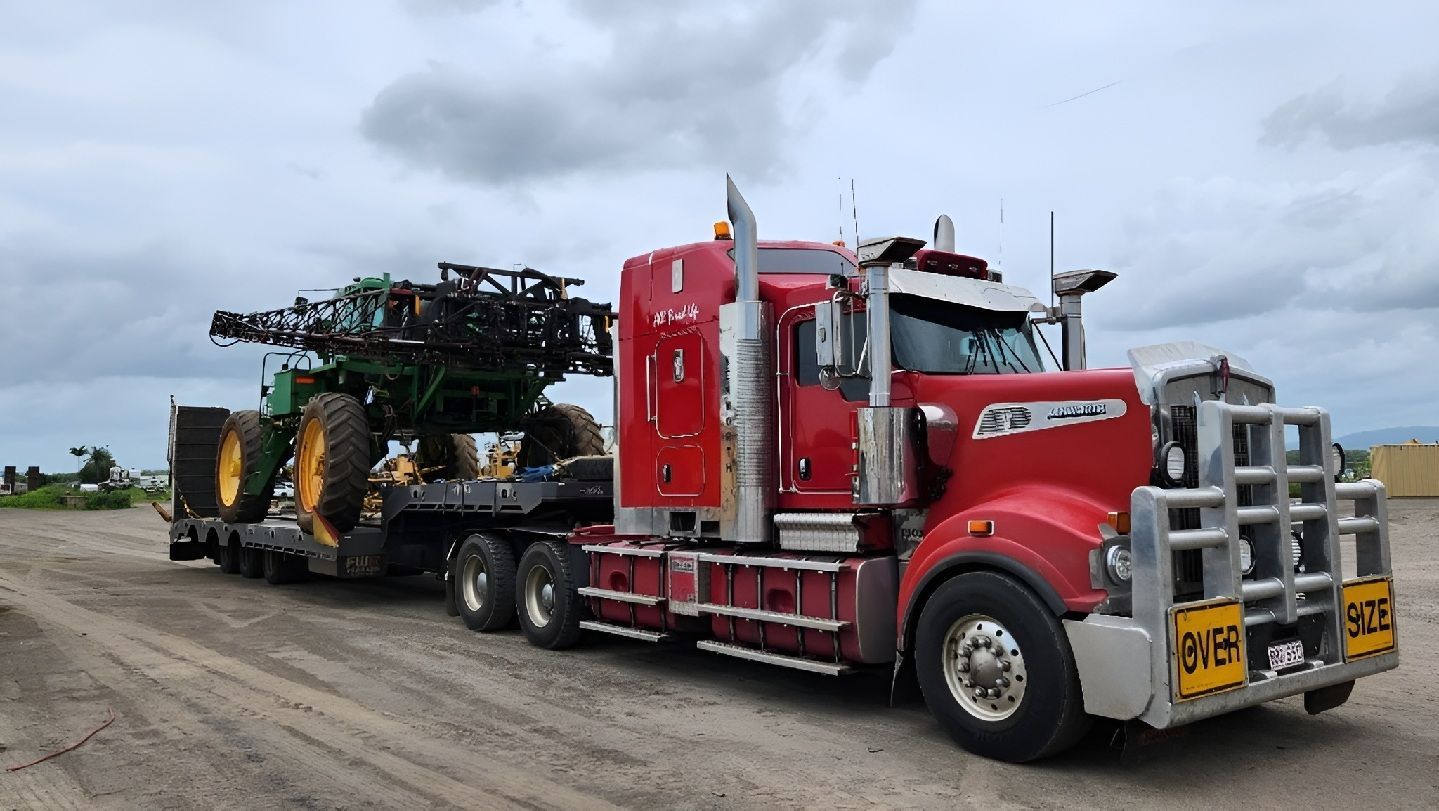
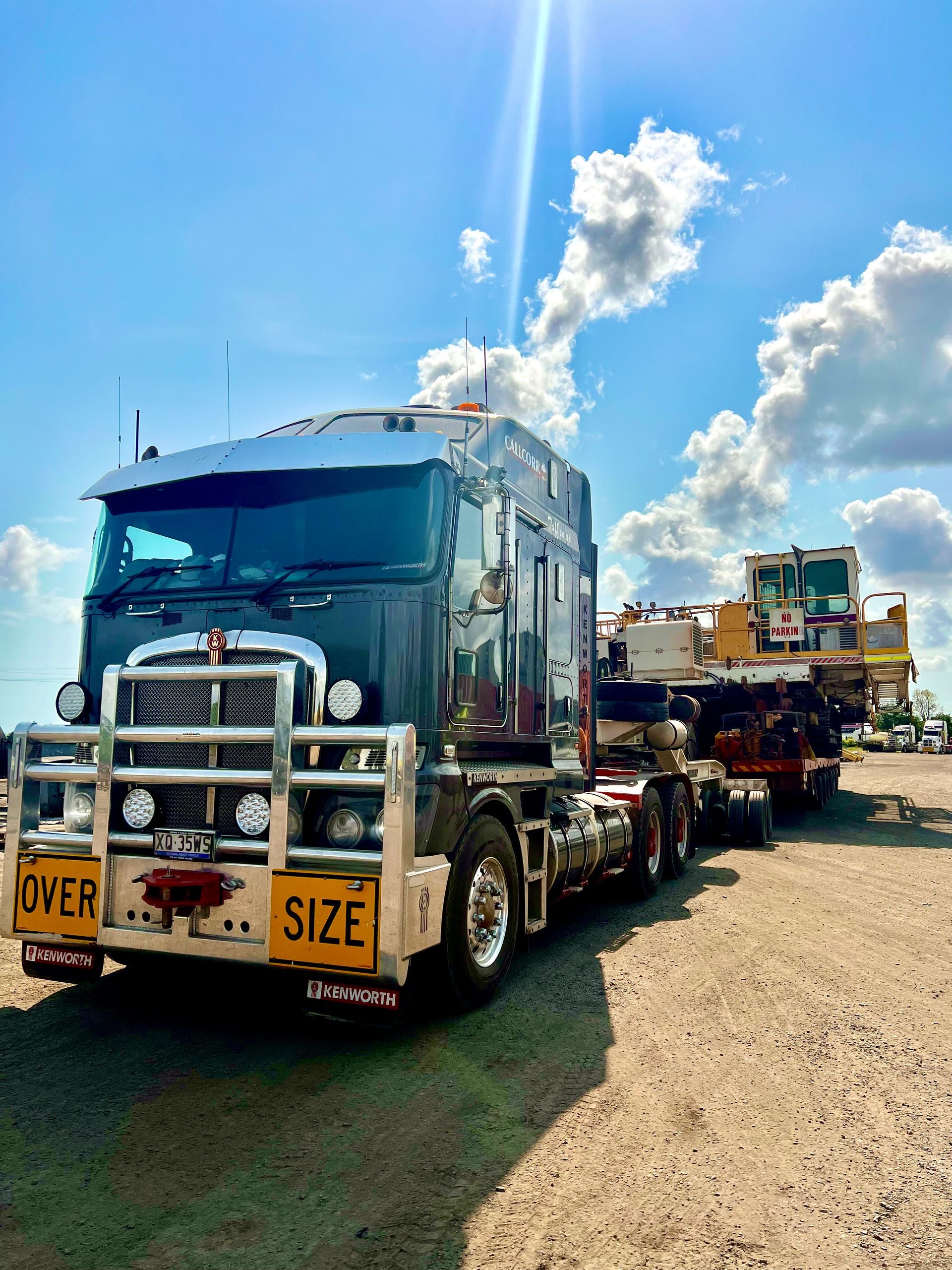
Heavy machinery transport involves far more than simply loading equipment onto a trailer and heading to site. Whether transporting excavators, loaders, mining equipment or agricultural machinery, every move carries operational, safety and compliance risks if preparation is overlooked. One of the most important steps in the process is the pre-transport inspection.
For businesses relying on heavy haulage in Mackay, proper inspections help reduce the risk of delays, machinery damage and transport complications. They also support safer transport outcomes and help ensure machinery arrives ready for operation.
What Is a Pre-Transport Inspection?
A pre-transport inspection is a detailed assessment completed before machinery is loaded and moved. The purpose is to identify any issues that could affect safety, compliance or transport efficiency during the haulage process.
Inspections commonly involve checking:
- Machinery dimensions and weight
- Existing damage or mechanical concerns
- Fluid leaks or unsecured components
- Tyres, tracks and attachment stability
- Loading and restraint requirements
This information helps transport teams plan the safest and most suitable method for moving the equipment.
Reducing the Risk of Machinery Damage
Heavy equipment often represents a significant operational investment, so protecting it during transport is critical. Undetected issues before loading can increase the likelihood of damage during transit.
Pre-transport inspections help identify:
- Loose attachments or vulnerable components
- Structural issues that may worsen during movement
- Areas requiring additional load restraint protection
- Machinery positioning requirements during loading
Addressing these concerns before transport helps minimise avoidable damage and operational disruption.
Supporting Compliance Requirements
Heavy machinery transport must comply with strict Australian transport regulations, particularly when oversized or overmass loads are involved. Failing to identify compliance issues early can result in delays, fines or permit complications.
Pre-transport inspections assist with:
- Confirming accurate load dimensions and weights
- Determining permit requirements
- Identifying escort vehicle needs
- Verifying load restraint compliance
Proper planning supports safer transport and helps avoid unnecessary interruptions.
Improving Transport Planning
Every heavy haulage job is different. Route selection, trailer configuration and loading methods all depend on the machinery being moved and the conditions involved.
Inspections provide valuable information for:
- Selecting suitable trailers and transport equipment
- Assessing access limitations at pickup or delivery sites
- Planning routes around height or weight restrictions
- Coordinating timing with project schedules
This preparation helps streamline the transport process and reduce delays.
Reducing Downtime on Site
For industries such as mining, construction and agriculture, machinery downtime can impact productivity and project timelines. Transport delays caused by avoidable issues may affect multiple stages of an operation.
Pre-transport assessments help reduce downtime by:
- Identifying transport risks before departure
- Avoiding unexpected loading complications
- Supporting more accurate delivery scheduling
- Ensuring equipment arrives ready for use where possible
Well-organised transport planning supports smoother site operations.
How Site Access Impacts Heavy Machinery Transport
Site access is an important factor that can influence the success of a heavy haulage project. Narrow entry points, soft ground conditions, steep terrain or restricted turning areas can all affect how machinery is loaded and delivered.
Conducting inspections before transport allows operators to identify potential site access challenges early and plan accordingly. This may involve selecting different trailers, organising additional equipment or coordinating alternative delivery arrangements. Careful preparation helps reduce delays and improves overall safety during loading and unloading operations.
The Role of Communication in Transport Coordination
Heavy machinery transport often involves multiple parties, including site managers, machine operators, logistics teams and transport providers. Clear communication before transport begins helps ensure everyone understands the schedule, site conditions and machinery requirements.
Accurate information gathered during inspections supports better coordination throughout the process. It also helps reduce misunderstandings that could lead to delays, incorrect load preparation or unexpected access issues once machinery arrives on site. Strong communication plays an important role in maintaining efficient project timelines.
Checking Load Security Requirements
Load restraint is one of the most critical aspects of heavy machinery transport. Different equipment types require different securing methods depending on their size, weight and configuration.
Inspection findings help determine:
- Appropriate restraint points and tie-down methods
- Whether attachments need removal before transport
- Weight distribution across the trailer
- Additional stabilisation requirements during transit
Properly secured machinery reduces safety risks for both operators and other road users.
Identifying Mechanical or Fluid Issues Before Transport
Machinery that leaks fluids or has unresolved mechanical issues can create transport hazards if not addressed beforehand.
Pre-transport inspections may identify:
- Hydraulic or fuel leaks
- Loose hoses or fittings
- Flat tyres or track concerns
- Battery or electrical issues affecting loading
Early detection allows these issues to be managed before they create further complications during transport.
Preparing Oversized Loads for Permit Approval
Oversized machinery often requires permits and route approvals before transport can proceed. Accurate inspection information is essential for this process.
Permit preparation may involve:
- Confirming exact load dimensions
- Assessing axle weights and trailer suitability
- Reviewing route restrictions and bridge clearances
- Coordinating escort or pilot vehicle requirements
Without accurate inspection details, permit approvals may be delayed or require revision.
Improving Safety During Loading and Unloading
Loading and unloading heavy equipment presents some of the highest-risk stages of machinery transport. Inspections help identify hazards before machinery is moved.
This may include assessing:
- Ground conditions at loading locations
- Machinery balance and stability
- Safe access for operators and drivers
- Attachment positioning during loading
Proper preparation supports safer handling throughout the transport process.
The Importance of Experienced Heavy Haulage Operators
Transporting oversized machinery requires specialised knowledge, equipment and planning. Experienced operators understand how to assess machinery requirements and manage the logistics involved.
Professional heavy machinery transport providers can assist with:
- Route planning and permit coordination
- Trailer selection and load configuration
- Compliance with transport regulations
- End-to-end project coordination
Working with experienced teams helps reduce risks and improve transport reliability.
Why Local Knowledge Matters
Regional and remote transport routes across Central Queensland can present unique challenges, including road restrictions, weather conditions and site access limitations.
A local provider familiar with heavy haulage in Mackay may offer advantages such as:
- Knowledge of regional transport routes
- Understanding of local site conditions
- Faster coordination with local contractors or authorities
- More efficient scheduling and response times
Local experience can contribute to smoother project delivery and reduced operational disruptions.
Preventing Unexpected Costs
Transport issues that arise after loading can quickly become expensive. Delays, equipment damage, compliance breaches or reloading requirements may all increase project costs.
Pre-transport inspections help reduce unexpected expenses by:
- Identifying risks before machinery is moved
- Supporting accurate transport planning
- Reducing the likelihood of permit issues or delays
- Improving overall transport efficiency
Early preparation often leads to better operational and financial outcomes.
Book Heavy Haulage in Mackay
Our team provides tailored heavy haulage in Mackay, supporting mining, civil, agricultural and construction projects across Central Queensland and regional areas. From pre-transport inspections and permit coordination to load security and delivery planning, we work closely with clients to help ensure machinery arrives safely and on schedule.
If you need dependable heavy machinery transport support, contact us today to discuss your project requirements and transport needs.