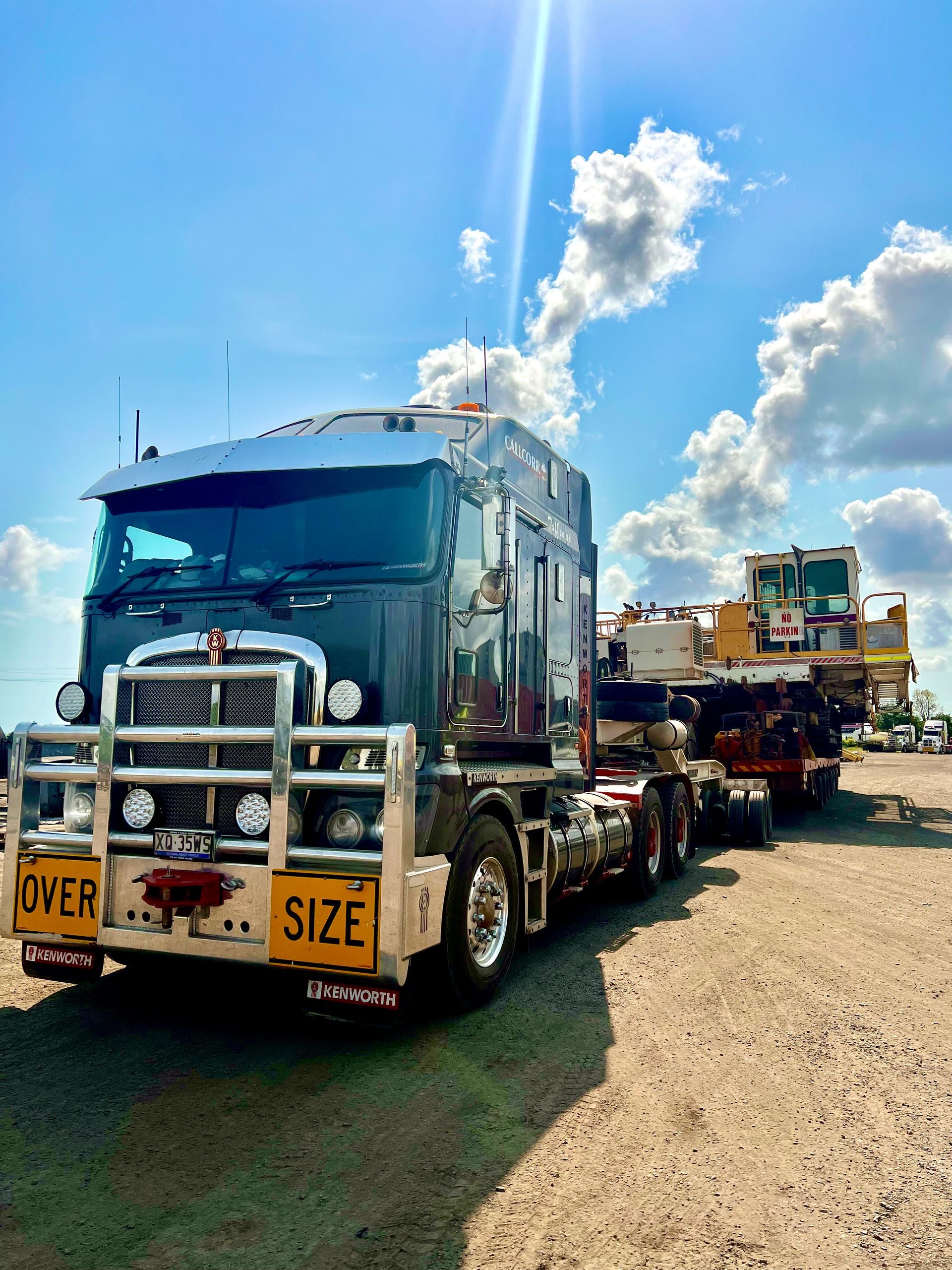
Excavator & Mini Excavator Transport: What Mackay Businesses Need To Know
Heavy machinery transport for an excavator starts with knowing the machine’s operating weight, dimensions, pickup and delivery conditions, and the transport combination required. In Mackay, a compact mini excavator may suit a float-deck transport setup, while larger excavators can require a low-loader, permits and additional road-movement planning.
For construction, civil and earthmoving contractors, getting those details right before mobilisation helps prevent delays between sites. Callcorr provides excavator transport Mackay contractors can use for planned machinery movements, including low-loader transport for heavier equipment.
How Do You Transport an Excavator?
Excavators are generally moved by loading them onto transport equipment selected according to the machine’s weight and dimensions. The correct setup can vary considerably between a compact excavator and a large earthmoving machine.
Before transport is booked, the operator needs accurate information about the excavator. This typically includes:
- Make and model
- Operating weight
- Overall length
- Overall width
- Overall transport height
- Attachments travelling with the machine
- Pickup and delivery locations
- Site access conditions
The transport provider can then determine what vehicle and trailer combination is appropriate and whether the movement has additional access or regulatory requirements.
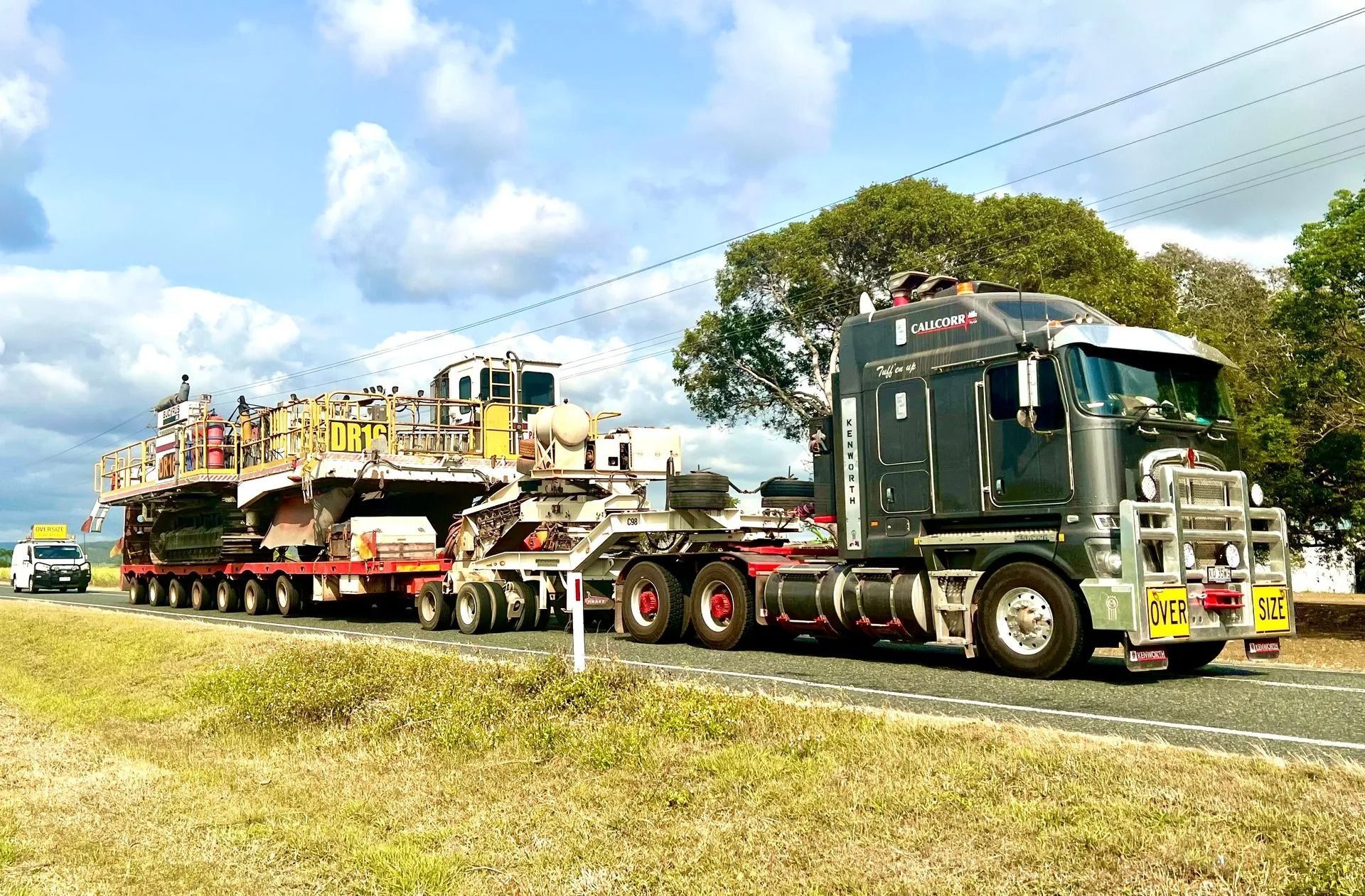
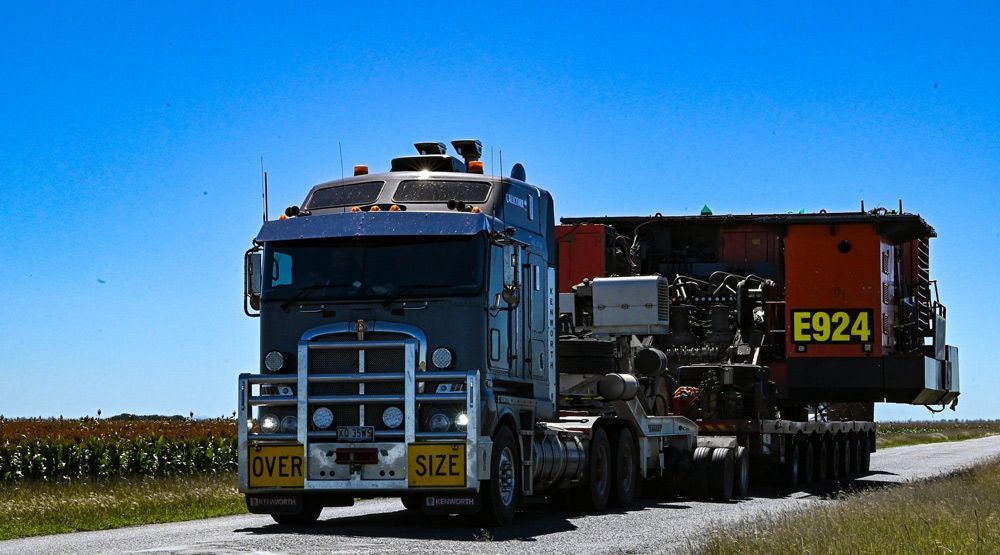
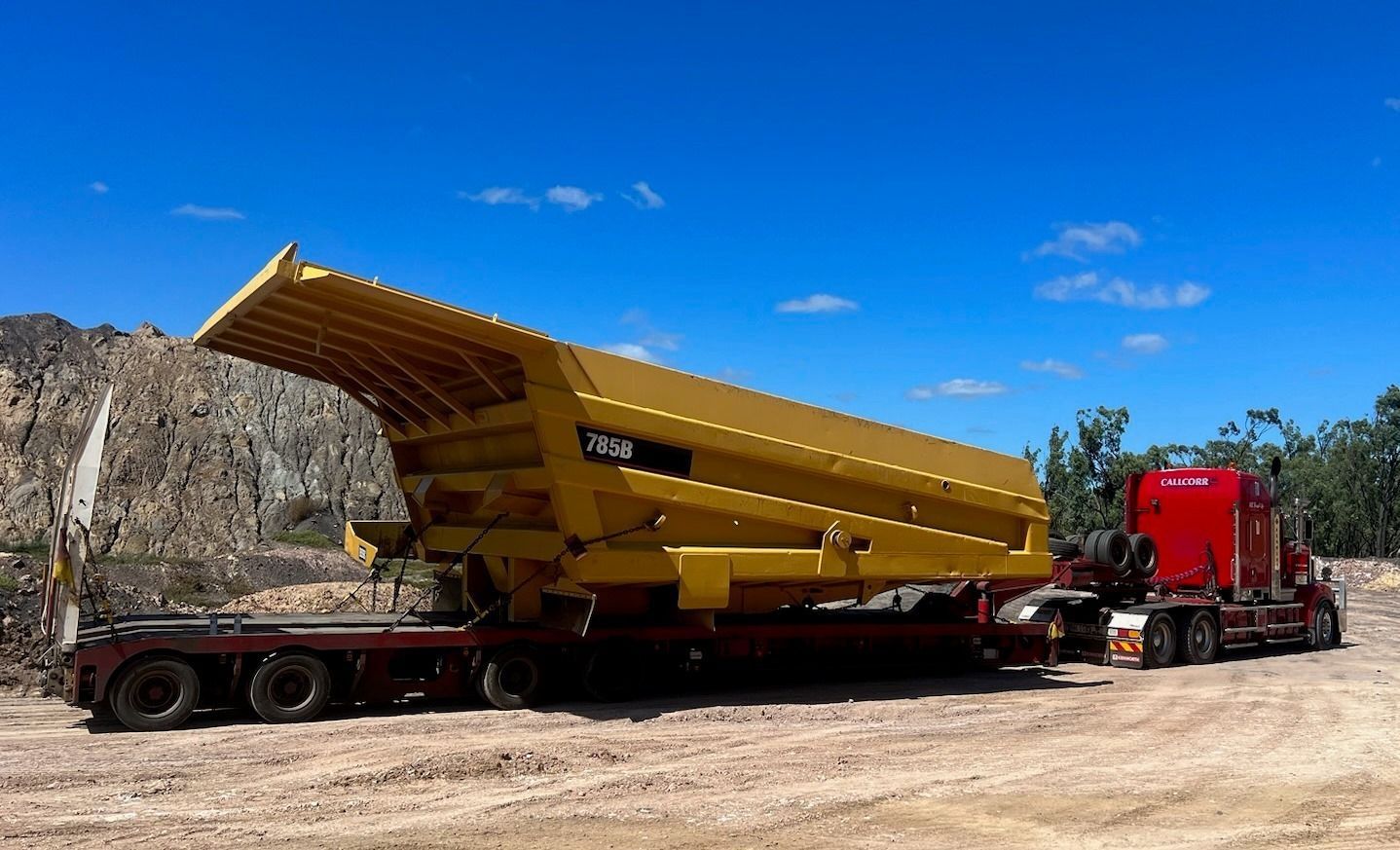
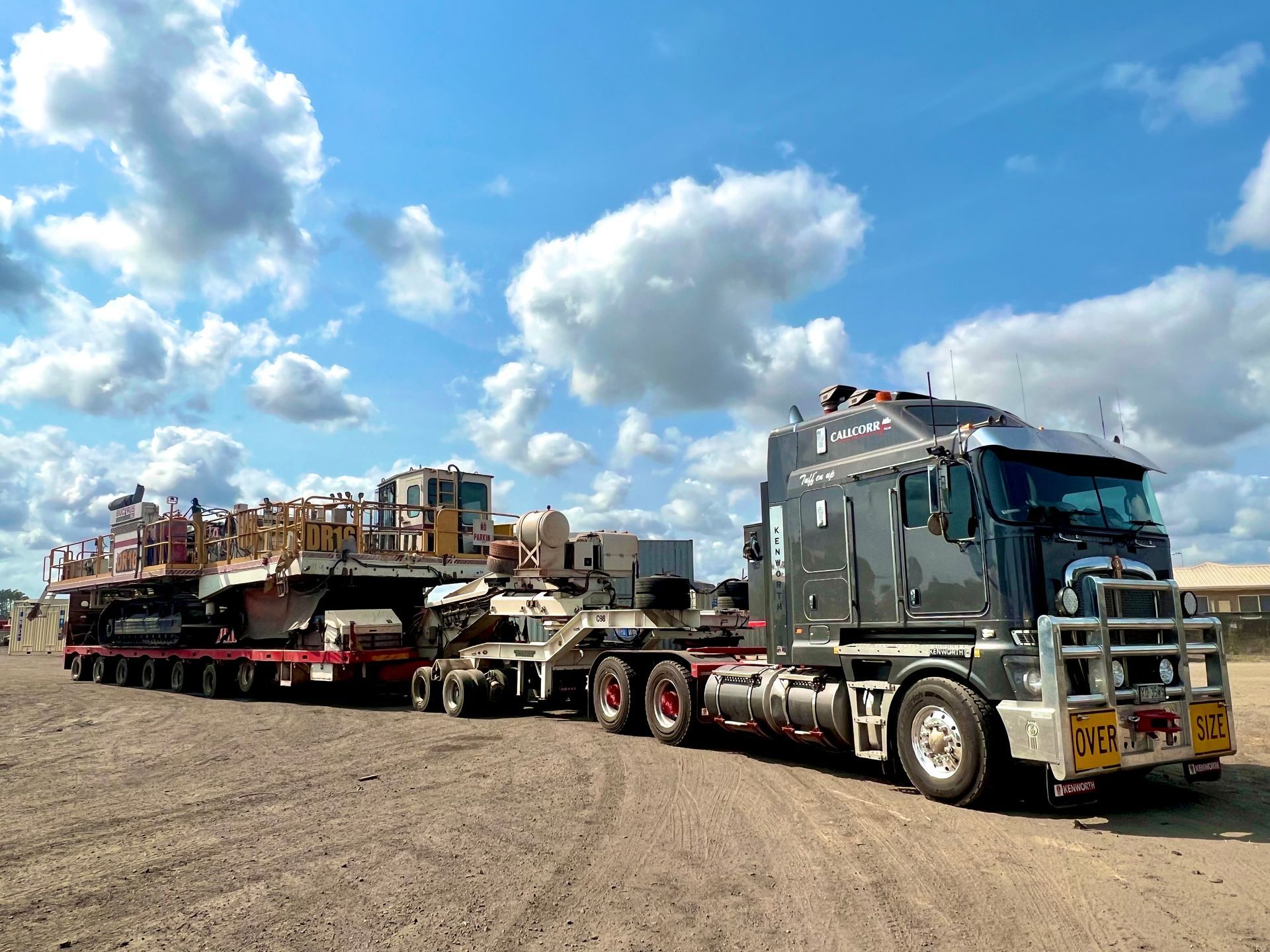
Larger excavators commonly require low-loader transport because of their weight and dimensions. Depending on the machine and route, transporting oversized equipment can also involve permits, route planning and pilot or escort requirements.
This is why giving your transport provider the machine model alone isn't always enough. Confirming its actual transport configuration and dimensions helps the move get planned correctly from the outset.
How Do You Transport a Mini Excavator?
Mini excavator transport can be more straightforward, but the machine still needs an appropriate transport setup.
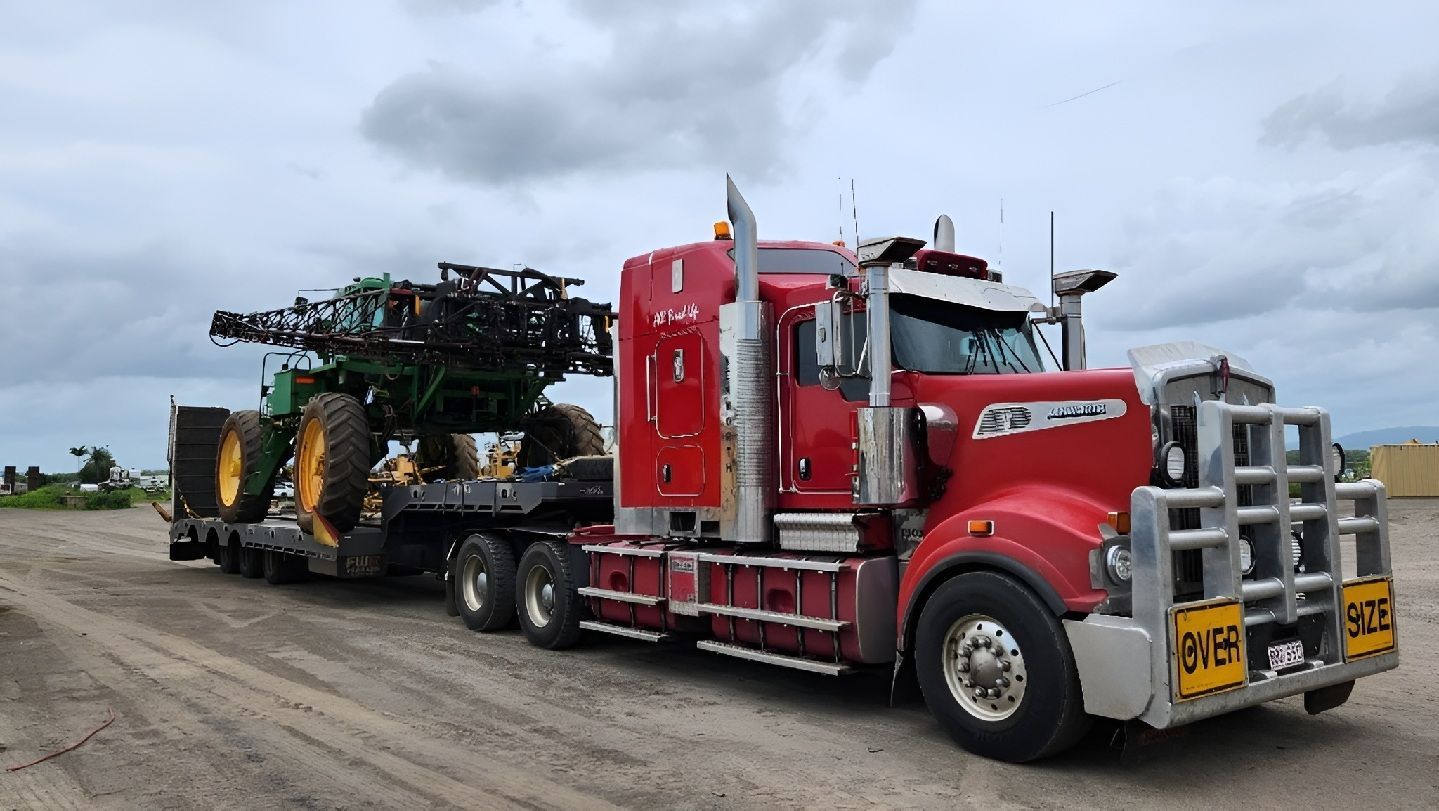
As a practical guide, mini excavators under approximately six tonnes can often be suitable for float-deck transport, depending on the particular machine, transport vehicle, load limits and overall combination. Larger machines typically require a different setup.
Don't assume that "mini" automatically means the excavator can travel on any equipment trailer. Operating weight, attachments and transport dimensions still matter.
For example, consider a contractor moving a five-tonne mini excavator from one Mackay project to another. A suitable float setup may handle that movement efficiently. Move to a substantially larger standard excavator, however, and a low-loader may be required.
That distinction is worth identifying before requesting prices because the transport equipment required directly affects how the job is planned and costed.
When Does an Excavator Need a Low-Loader?
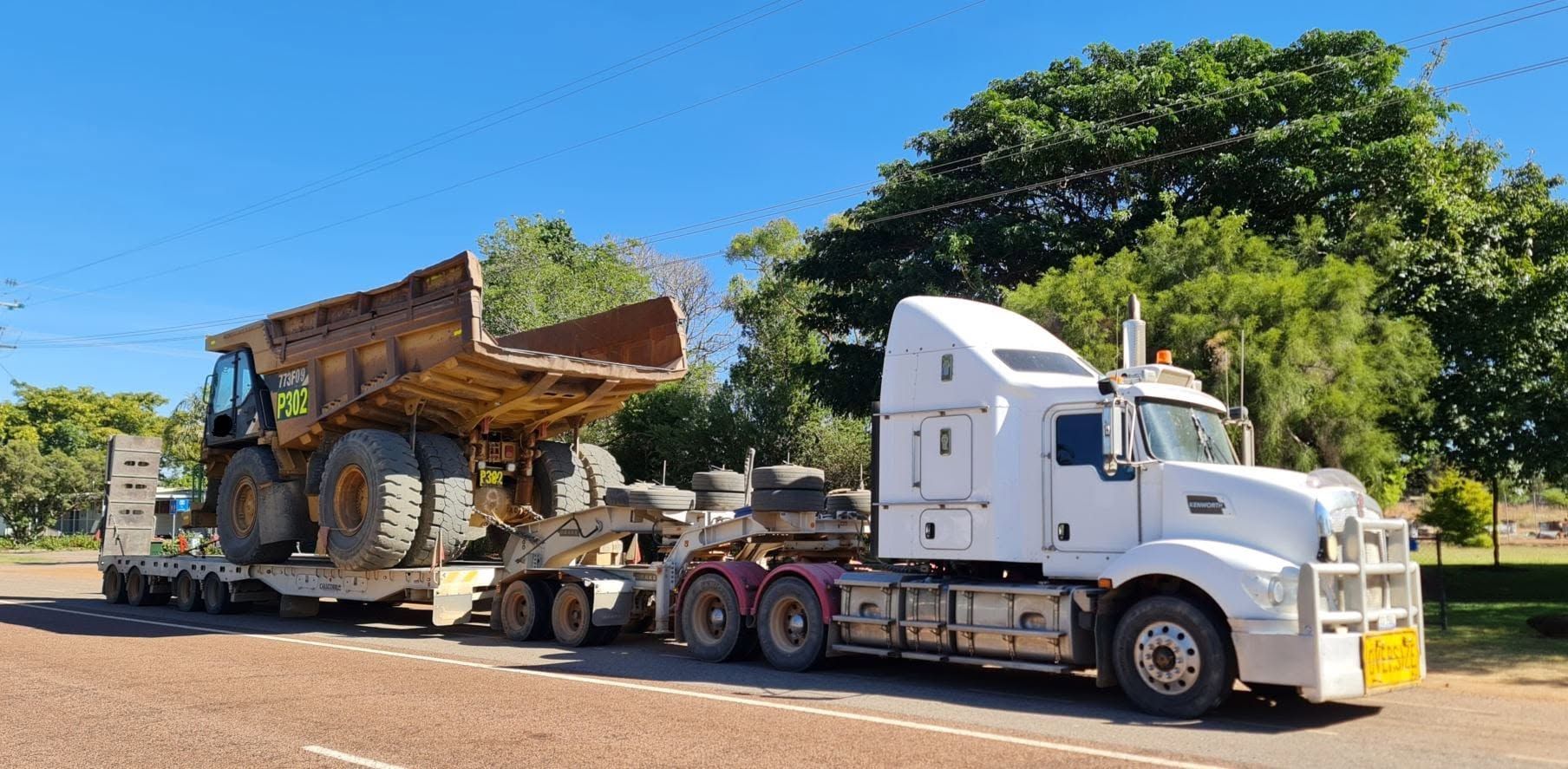
A low-loader is commonly used when the excavator's size or weight makes it unsuitable for smaller transport combinations.
Its low deck height can also be important when managing the overall loaded height of large machinery. Excavators can remain substantial loads even when their booms, arms and attachments are placed into transport positions.
The decision should be based on the specific machine rather than a broad description such as "20-tonne excavator" or "mini excavator."
A transport provider needs to consider the complete loaded combination and applicable road requirements before determining how the machine should travel.
For contractors, providing accurate specifications early makes this process considerably easier. It also reduces the chance of unsuitable equipment arriving at the pickup site.
Does an Excavator Need a Pilot Vehicle During Transport?
It depends on the dimensions of the loaded vehicle and the road movement requirements that apply to the job.
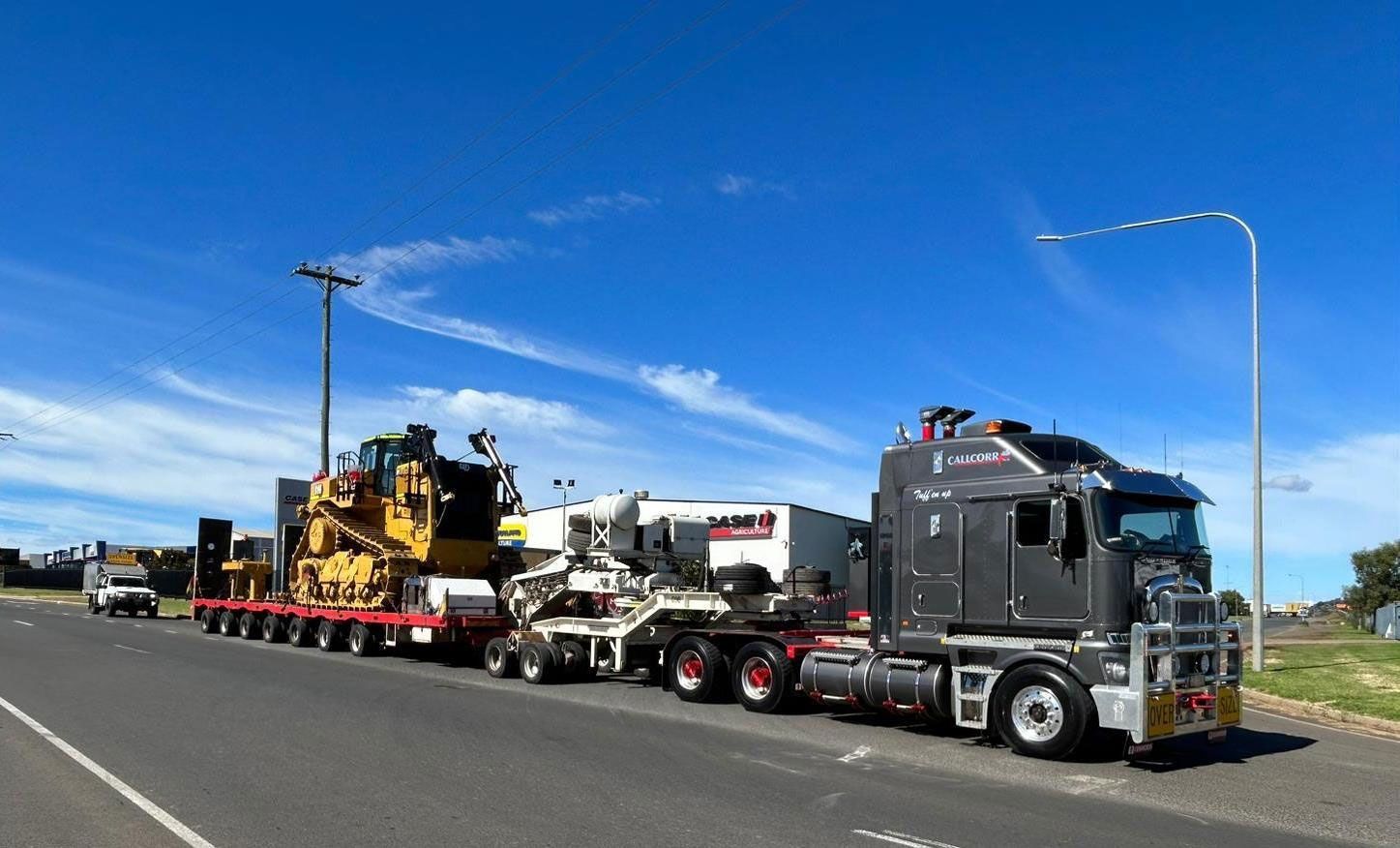
Oversize heavy machinery movements in Queensland can trigger additional requirements, including permits, route restrictions and pilot or escort arrangements. The applicable requirements depend on factors such as dimensions, vehicle combination and route.
For operators regularly booking excavator movements, width is particularly important. Once machinery moves into oversize territory, transport becomes more involved than simply allocating a low-loader.
For example, an excavator producing a loaded width over 3.5 metres can trigger pilot vehicle requirements depending on the applicable heavy vehicle notice or permit, route and operating conditions. The transport provider should confirm the requirements for the particular movement rather than relying on a general rule for every job.
This planning needs to happen before mobilisation. Discovering that a machine requires additional arrangements on collection day can delay both the transport and the project waiting for it.
How Much Does It Cost to Transport an Excavator?
Excavator transport cost depends on the machine, distance, transport equipment and complexity of the movement. There isn't one meaningful flat rate that applies to every excavator move.
A quote may take into account:
- Excavator weight and dimensions
- Pickup and delivery distance
- Required trailer or low-loader
- Oversize requirements
- Permits where applicable
- Pilot or escort requirements
- Route restrictions
- Site access
- Loading and unloading conditions
- Attachments transported with the excavator
A compact mini excavator moving between two accessible Mackay sites is a very different transport job from a large excavator requiring low-loader transport, oversize movement planning and a pilot vehicle.
That is why contractors comparing quotes should make sure each provider has been given the same machine specifications and job details. A lower initial figure isn't useful if necessary transport requirements haven't been included.
What Information Do You Need for an Accurate Excavator Transport Quote?
Have the machine specifications ready before contacting the transport company. Accurate information allows the provider to choose suitable equipment and identify potential complications before the truck is dispatched.
Start with the make and model, operating weight and transport dimensions. Tell the provider about buckets, breakers or other attachments that also need to travel.
Next, provide accurate pickup and delivery details. Mention any known access constraints, including narrow entrances, soft ground, restricted turning areas or other site conditions that could affect a heavy transport vehicle.
You should also explain whether the excavator can load and unload under its own power. A non-operational machine can require different planning from an excavator that can be driven onto and off the transport equipment.
The more accurate the information at the quoting stage, the easier it is to plan the movement properly.
What Should You Check Before an Excavator Is Loaded?
A quick inspection before transport can identify issues that might otherwise create delays or disputes later.
Check the machine's general condition and record any existing damage. Look for obvious fluid leaks, loose items or attachments that need to be secured separately.
You should also confirm that the excavator is configured appropriately for transport and that the loading area is suitable for the transport vehicle.
Before the excavator is loaded, run through Callcorr's pre-transport inspection checklist to help identify issues before the transport equipment arrives.
According to industry best practice, machinery should be loaded and restrained using methods appropriate to the equipment and transport combination. Load restraint isn't an area for improvisation.
How Can Mackay Contractors Reduce Excavator Transport Delays?
Planning the machinery move around the project schedule is one of the simplest ways to reduce downtime.
Avoid waiting until an excavator finishes its current job before arranging transport. If you know when the machine needs to leave, give the transport provider enough notice to assess equipment requirements, availability and any additional movement conditions.
It also helps to:
- Confirm machine dimensions and weight early.
- Provide accurate site addresses and access information.
- Identify attachments travelling with the excavator.
- Make sure the loading area is ready.
- Advise the transporter if the machine isn't operational.
- Allow for permits or pilot arrangements where required.
- Confirm the delivery site's access before dispatch.
These steps are particularly important when moving machinery between active construction or civil sites where delays can affect operators, subcontractors and other scheduled work.
What If You Still Need an Excavator While Yours Is Being Transported?
Some projects can't stop simply because a machine is moving between sites or unavailable.
If you need another machine to keep work progressing, Callcorr's earthmoving equipment hire options can help cover equipment requirements while you coordinate your existing machinery.
This can be useful for contractors managing multiple sites around Mackay, particularly when project schedules overlap.
Transport and equipment availability are best considered together. Knowing which machine needs to be where — and when — can help prevent avoidable downtime across several jobs.
How Do You Choose a Heavy Machinery Transport Provider in Mackay?
Choose a transport provider based on its ability to handle the actual machine and movement, not simply the lowest quoted figure.
Ask what transport equipment will be used and whether the provider has experience moving comparable excavators. For larger machines, discuss how oversize requirements, route planning and any necessary permits or pilot arrangements will be managed.
Communication matters too. Construction schedules change, sites can become difficult to access and equipment specifications aren't always communicated correctly the first time.
A provider familiar with heavy machinery transport in Mackay should be able to identify the information required before the move and flag potential complications early.
For more practical machinery and transport information, you can also browse our blog.
How Do You Book Excavator Transport in Mackay?
Start by gathering the excavator's make, model, operating weight and transport dimensions, then provide the pickup location, destination and preferred transport date.
Callcorr Pty Ltd provides heavy machinery transport for contractors moving excavators and other equipment throughout Mackay and surrounding areas.
Depending on the machine, the move can be planned using suitable heavy transport equipment, including low-loaders for larger machinery.
If you have an excavator or mini excavator that needs relocating,
contact the Callcorr team with your machine and site details. Getting the specifications right upfront allows the transport requirements to be identified before mobilisation and gives you a more useful quote for the actual job.
Frequently Asked Questions About Excavator Transport
How do you transport an excavator?
An excavator is generally loaded onto transport equipment selected according to its weight and dimensions, such as an appropriate float or low-loader. Larger or oversized excavators can also require additional route, permit and pilot planning.
How do you transport a mini excavator?
Compact mini excavators may be suitable for float-deck transport when the machine and complete transport combination meet the relevant requirements. The excavator's actual weight and dimensions should always be confirmed before selecting the transport setup.
How much does it cost to transport an excavator?
Excavator transport cost depends on factors including machine size, transport distance, trailer requirements, site access and whether oversize permits or pilot vehicles are required. Providing accurate specifications is the best way to obtain a meaningful quote.
Do excavators need pilot vehicles when being transported?
Some oversize excavator movements require pilot or escort vehicles, while others don't. Requirements depend on the loaded dimensions, vehicle combination, route and applicable heavy vehicle operating conditions.
Can attachments stay on an excavator during transport?
That depends on the excavator, attachment, dimensions and planned transport configuration. Tell the transport provider about every bucket, breaker or other attachment that needs to travel so it can be incorporated into the transport plan.
What details should I provide when booking heavy machinery transport?
Provide the machine make and model, operating weight, transport dimensions, attachments, pickup and delivery locations, required dates and relevant site-access information. You should also tell the provider if the excavator isn't operational or cannot load under its own power.