What Affects the Cost of Heavy Machinery Transport (And How to Get an Accurate Quote)
Heavy machinery transport costs vary significantly from job to job because so many variables — weight, dimensions, distance, permits and site access — all combine differently on every move. Understanding what actually drives the price lets you request an accurate quote the first time, rather than getting a rough estimate that changes once the details are confirmed.
Why Heavy Machinery Transport Costs Vary So Much
No two heavy haulage transport jobs look the same, which is exactly why heavy machinery transport costs can range so widely between quotes. A short local move of a compact excavator involves a completely different set of considerations than transporting a drill rig from Mackay to a remote mine site in the Bowen Basin.
The core cost drivers fall into a handful of categories: the machine itself, the route it needs to travel, the regulatory requirements that route triggers and the conditions at both the pickup and drop-off sites. Get clarity on each of these, and a quote stops looking like a mystery number and starts looking like the sum of specific, explainable factors.
Machine Weight and Dimensions
Weight and dimensions are usually the biggest single factor in any heavy machinery transport quote. A machine's weight determines which trailer configuration is required, how many axles are needed to distribute the load legally, and whether escort vehicles become mandatory under state regulations. Height, width and length matter just as much.
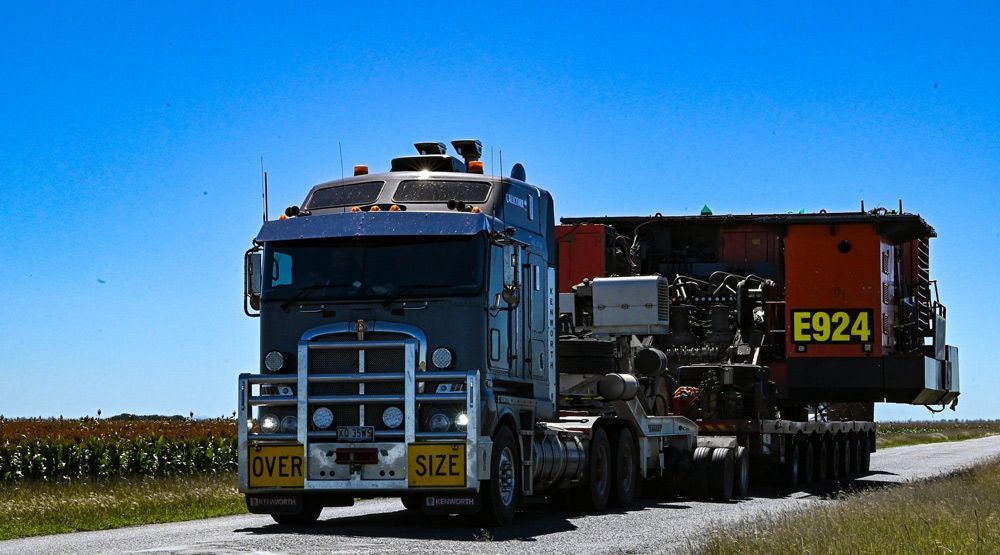
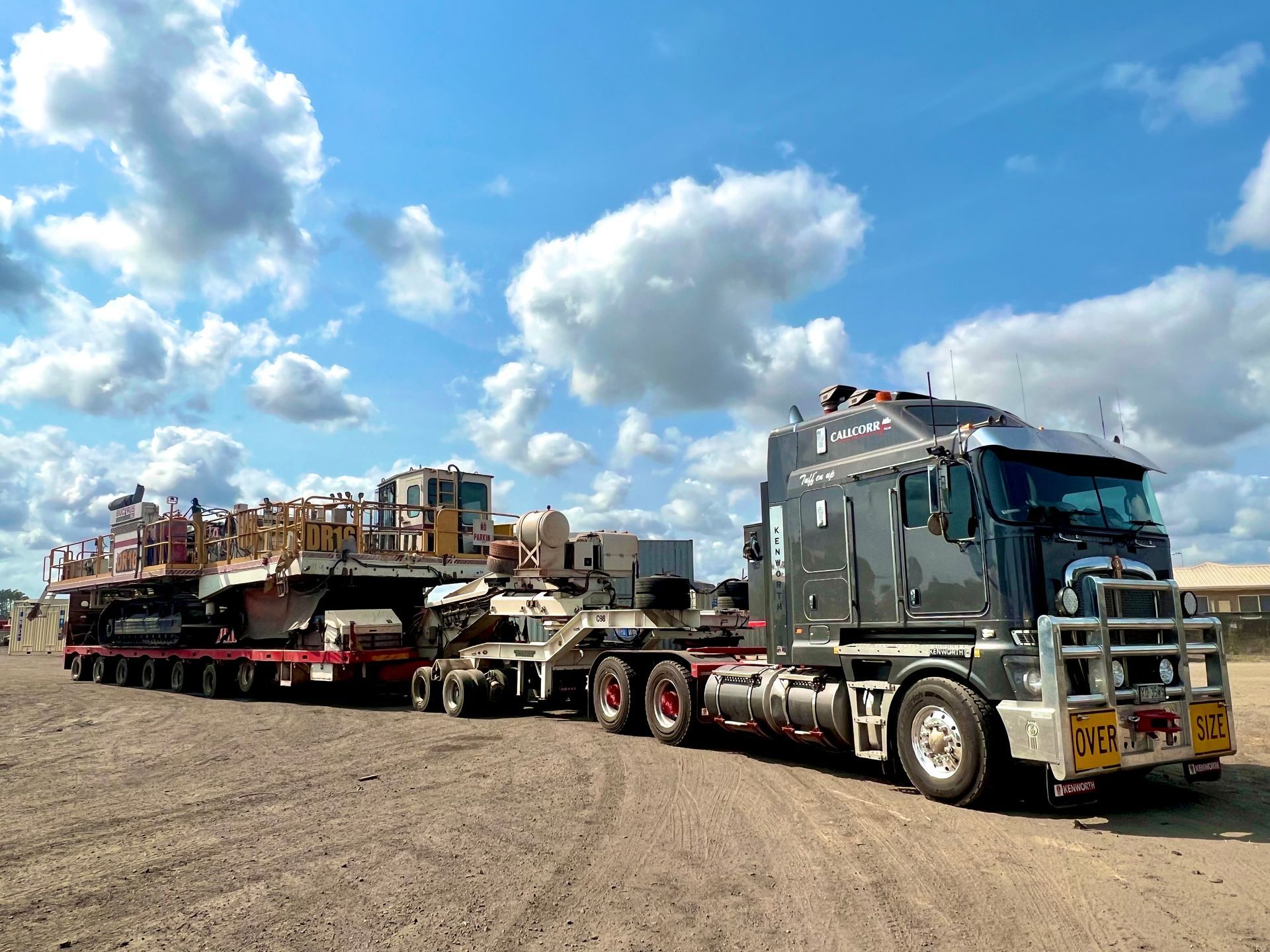
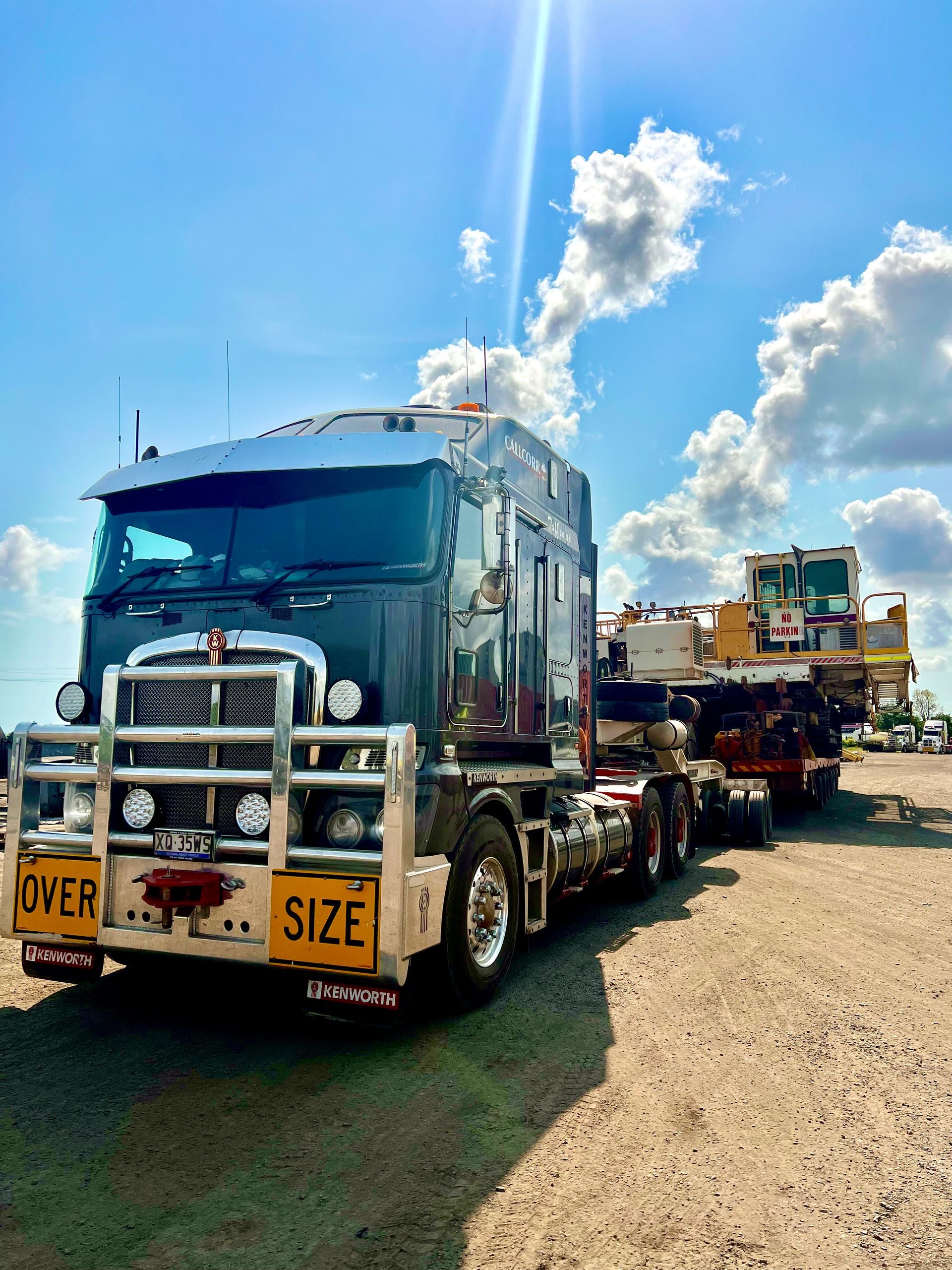
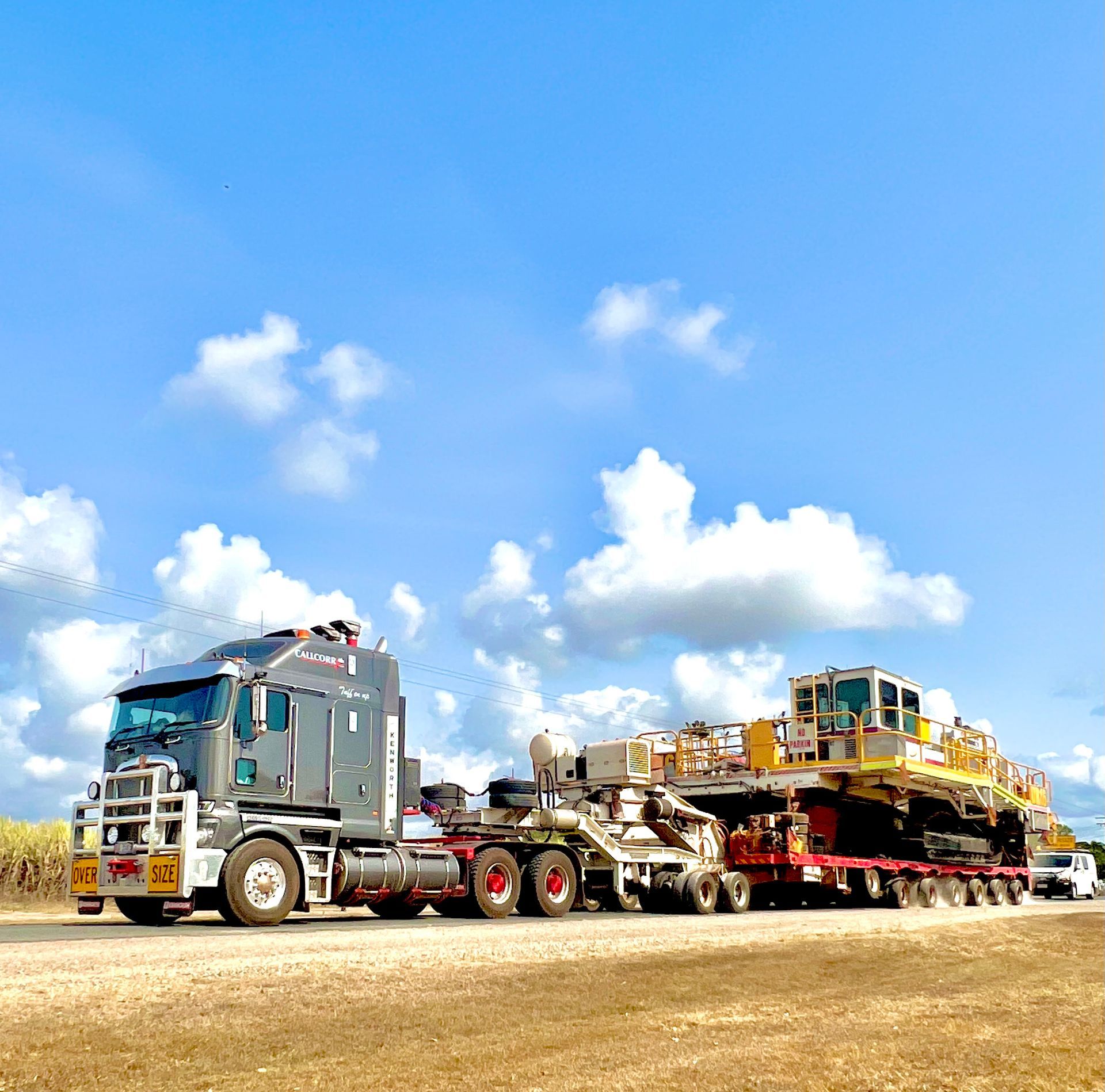
A machine that's within standard road dimensions can often move on a standard low-loader with minimal fuss. Once a load exceeds standard width or height limits, it shifts into oversized load transport territory, which brings additional permits, route restrictions, and sometimes pilot vehicles into the equation. Getting exact weight and dimension figures — not estimates — is one of the single most useful things you can do before requesting a quote.
Distance and Route Complexity
Distance is the obvious factor, but route complexity often matters more than raw kilometres. A haul across flat, well-maintained highway is a very different proposition to a route involving narrow regional roads, low bridges, tight town centres, or unsealed access tracks common around Central Queensland mine sites.
Route complexity affects both the vehicle configuration required and the time the job takes, which flows directly into cost. A transport provider with strong regional knowledge — including familiarity with routes into the Bowen Basin, Moranbah, Emerald and Rockhampton — can plan around known obstacles rather than discovering them mid-transit.
Permits, Escorts and Regulatory Requirements
Any load exceeding standard legal dimensions or mass limits requires permits, and depending on size, may also require escort or pilot vehicles. These aren't optional extras — they're a legal requirement for oversized load transport, and the process of securing them takes both time and coordination with local councils, state road authorities, and sometimes electricity providers where overhead lines need to be managed.
The number of permits required, the complexity of the escort arrangement and how many jurisdictions the route crosses all influence cost. A provider who manages this process end to end — submitting documentation, coordinating pilots and liaising with authorities — removes a significant amount of risk and delay from the job, which is reflected in a properly scoped quote.
Load Type: Standard vs Oversized
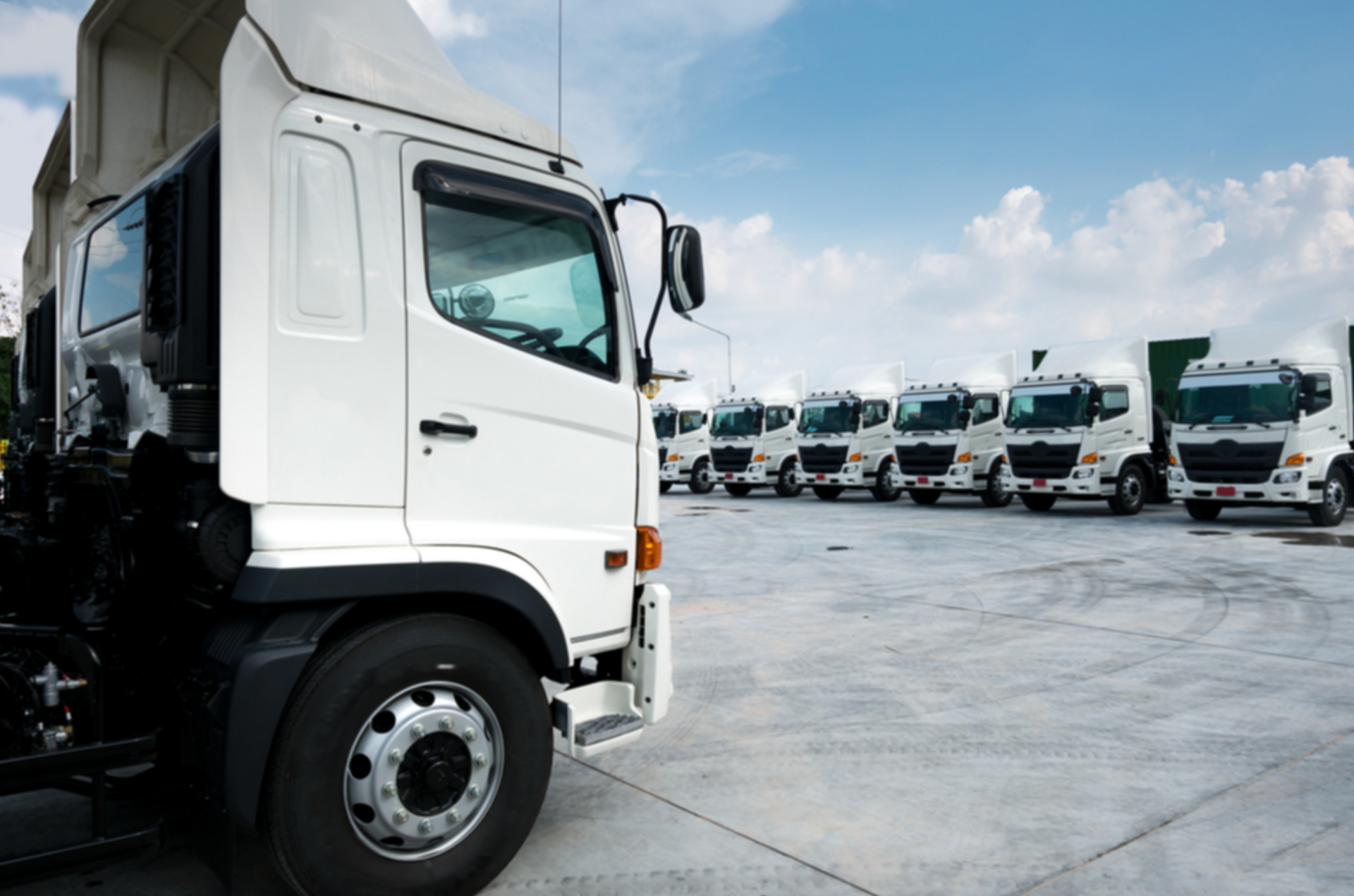
Not every piece of heavy machinery falls into the same cost bracket. Standard loads that fit within legal width, height and weight limits can generally move using a standard low-loader or platform trailer without triggering additional permits or escort requirements.
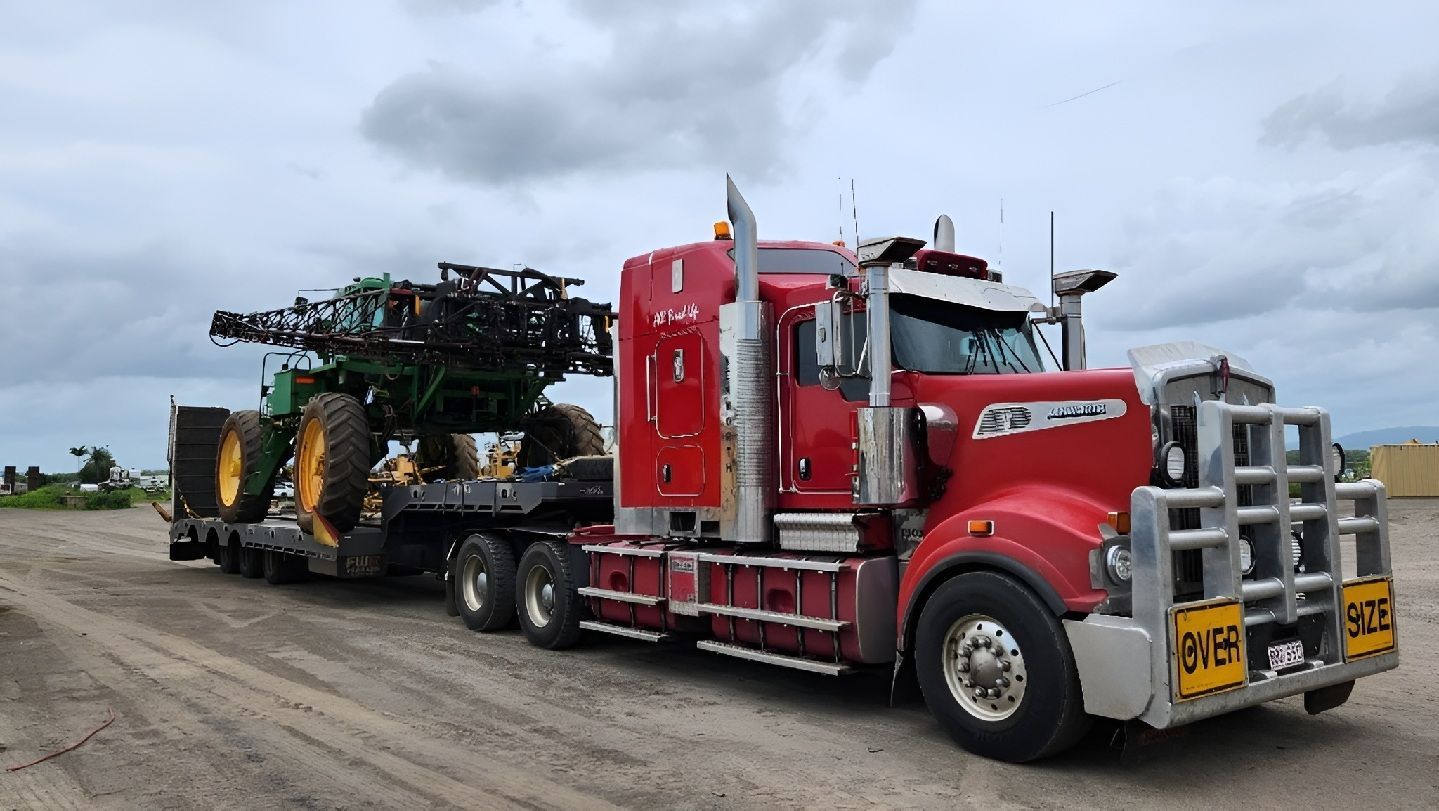
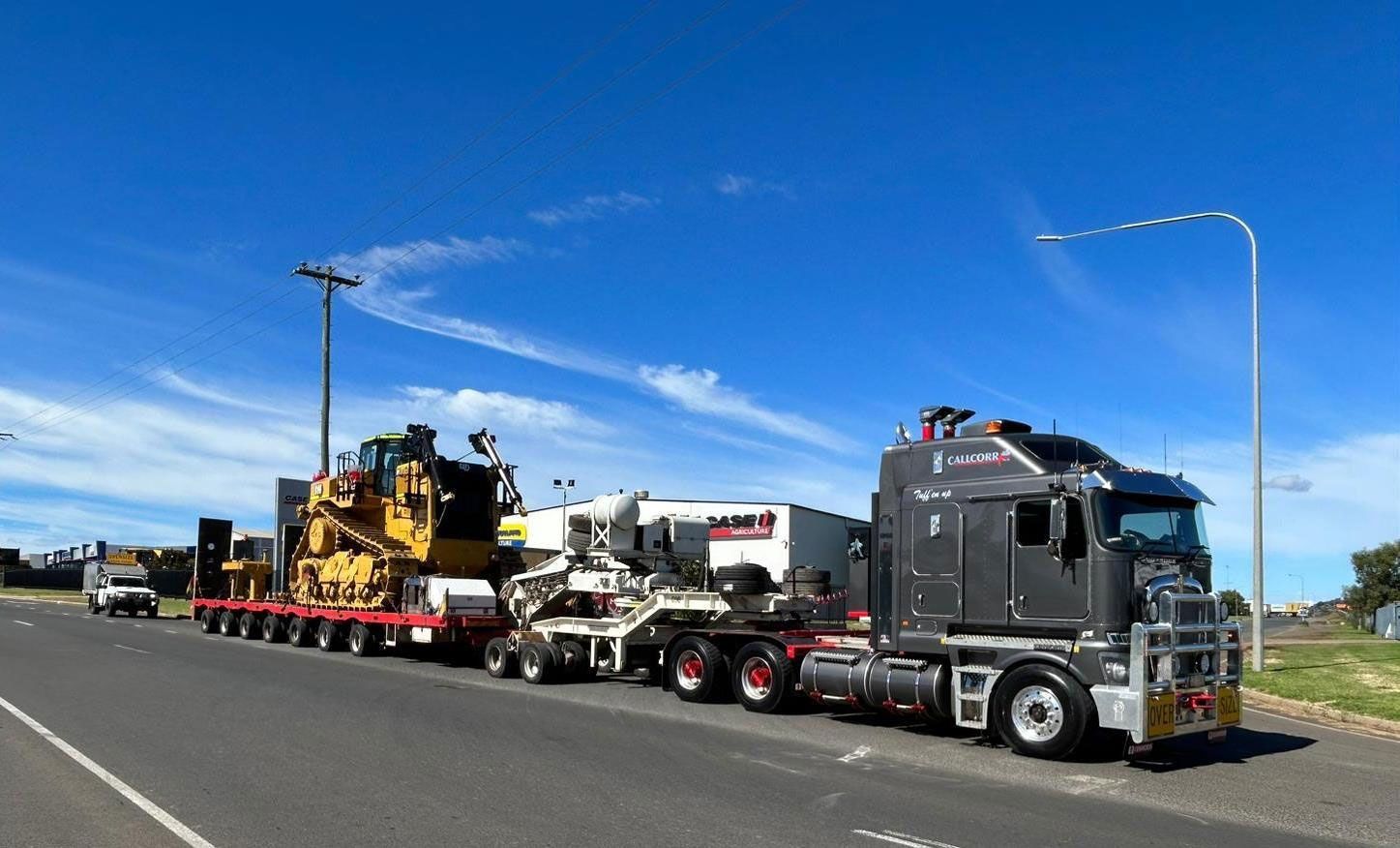
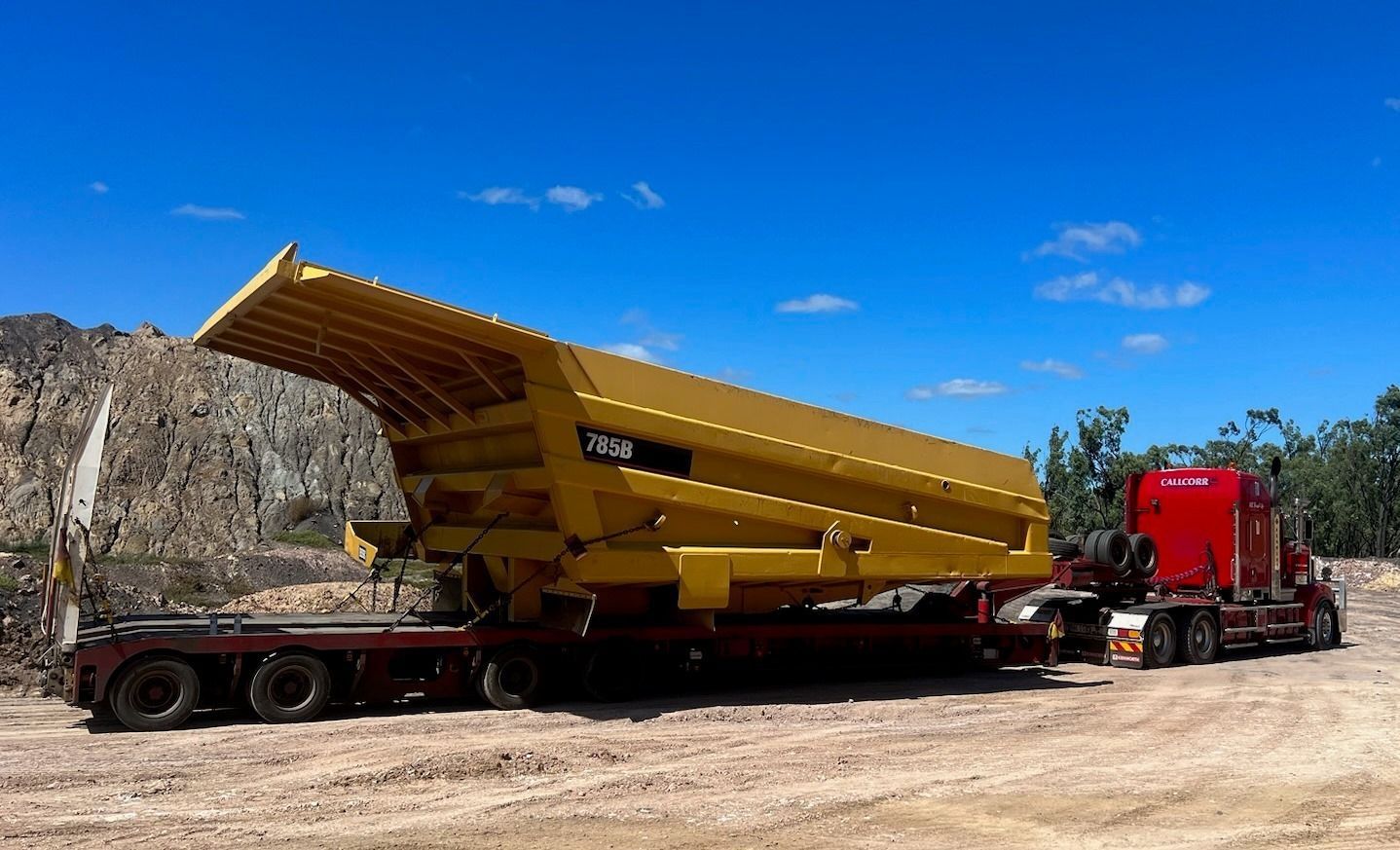
Oversized load transport is a different category altogether. Machinery like drill rigs, large excavators, dozers and oversized mining components often exceeds standard limits on one or more dimensions, requiring specialised trailer configurations — from Drake dolly-and-trailer combinations to super-tilt trailers — along with the permits and escorts that come with them. This applies just as much to machines owned outright as it does to gear moved on behalf of earthmoving equipment hire businesses relocating plant between sites.
Knowing upfront which category your machine falls into helps set realistic cost expectations before a quote is even requested.
Site Access and Loading Conditions
Cost isn't just about what happens on the road — loading and unloading conditions at each end of the journey matter just as much. A site with clear, level ground and easy truck access allows for straightforward loading. A remote mine site, a tight construction site in town or a location requiring crane assistance to load or unload adds time, equipment and complexity to the job.
Access issues like steep gradients, narrow gate widths, overhead obstructions or limited turning space can all affect which vehicle configuration is used and how long the loading process takes. Flagging these details upfront — rather than letting the transport crew discover them on arrival — keeps the quote accurate and avoids delays on the day.
Seasonal and Weather Factors
Central Queensland's wet season can significantly affect heavy haulage timelines and costs, particularly for routes into rural or remote areas with unsealed roads. Flooding, road closures and softened ground can all delay a scheduled move or require a revised route, which has flow-on cost implications.
Seasonal demand also plays a role. Peak periods for mining, construction and agricultural equipment movements can affect vehicle and crew availability, which is worth factoring into your planning if your project has any flexibility on timing.
What to Have Ready Before Requesting a Quote
The more detail you can provide upfront, the more accurate your heavy machinery transport quotes will be from the outset. Before reaching out, it's worth having the following ready:
- Machine details — make, model, exact weight, and full dimensions (height, width, length)
- Pickup and drop-off locations — including any known access constraints at either site
- Preferred timeline — including any hard deadlines tied to project schedules
- Site conditions — ground type, access width, and whether crane or additional loading equipment may be needed
- Any known regulatory considerations — such as whether the load is likely to be classed as oversized
Providing this information upfront means a transport provider can scope the job properly the first time, rather than issuing a rough estimate that shifts once site or dimension details are confirmed later.
Why Choose Callcorr for Heavy Machinery Transport in Mackay
Callcorr Pty Ltd has been providing heavy machinery transport across Mackay and Central Queensland for years, with a fleet built specifically for the range of standard and oversized load transport jobs common to construction, mining, civil, agricultural and field service equipment logistics. From Drake low-loader and dolly configurations through to super-tilt and platform trailers, the right equipment is matched to each job rather than a one-size-fits-all approach.
The team manages the full scope of what affects heavy machinery transport costs — from permits and escort coordination through to route planning around known regional challenges in the Bowen Basin, Moranbah, Emerald and Rockhampton. Whether you're an earthmoving equipment hire operator relocating plant between sites, a
field service business moving equipment between jobs, or comparing heavy haulage Mackay providers more broadly, get in touch with the Callcorr team with your machine and site details on hand.
FAQs
Why do heavy machinery transport quotes vary so much between providers?
Quotes vary because providers may account for different factors — some scope permits, escorts and site access in detail upfront, while others provide a rough estimate that changes once full details are known. A properly scoped quote should reflect the specific weight, dimensions, route and site conditions of your job.
What makes a load "oversized" for transport purposes?
A load is generally classed as oversized when it exceeds standard legal limits for width, height, length or mass on public roads. Oversized load transport requires specific permits and, depending on size, escort or pilot vehicles to move legally and safely.
How far in advance should I request a heavy machinery transport quote?
It's best to request a quote as early as possible, particularly for oversized loads that require permits and escort coordination, as these can take time to arrange. For standard loads with straightforward access, shorter lead times are often workable.
Does site access really affect the cost of heavy haulage?
Yes. Difficult access — such as tight gate widths, uneven ground or the need for crane assistance to load or unload — adds time and complexity to a job, which affects the overall cost. Flagging access conditions upfront helps keep quotes accurate.
Can weather delay a scheduled heavy machinery transport job?
Yes, particularly during Central Queensland's wet season, where flooding or road closures on rural and remote routes can force a delay or a revised route. Building some flexibility into your timeline can help manage this risk.
What information do I need to provide for an accurate heavy machinery transport quote?
At minimum, you'll need the machine's weight and dimensions, pickup and drop-off locations, any known site access constraints and your preferred timeline. The more detail provided upfront, the more accurate the quote will be.