Common Mistakes To Avoid When Organising Heavy Machinery Transport
Moving heavy machinery isn’t just a matter of loading it on a truck and hitting the highway. Between the permits, load dimensions, safety rules and site logistics, a lot can go wrong — especially for first-time buyers or small construction businesses managing their own transport for the first time.
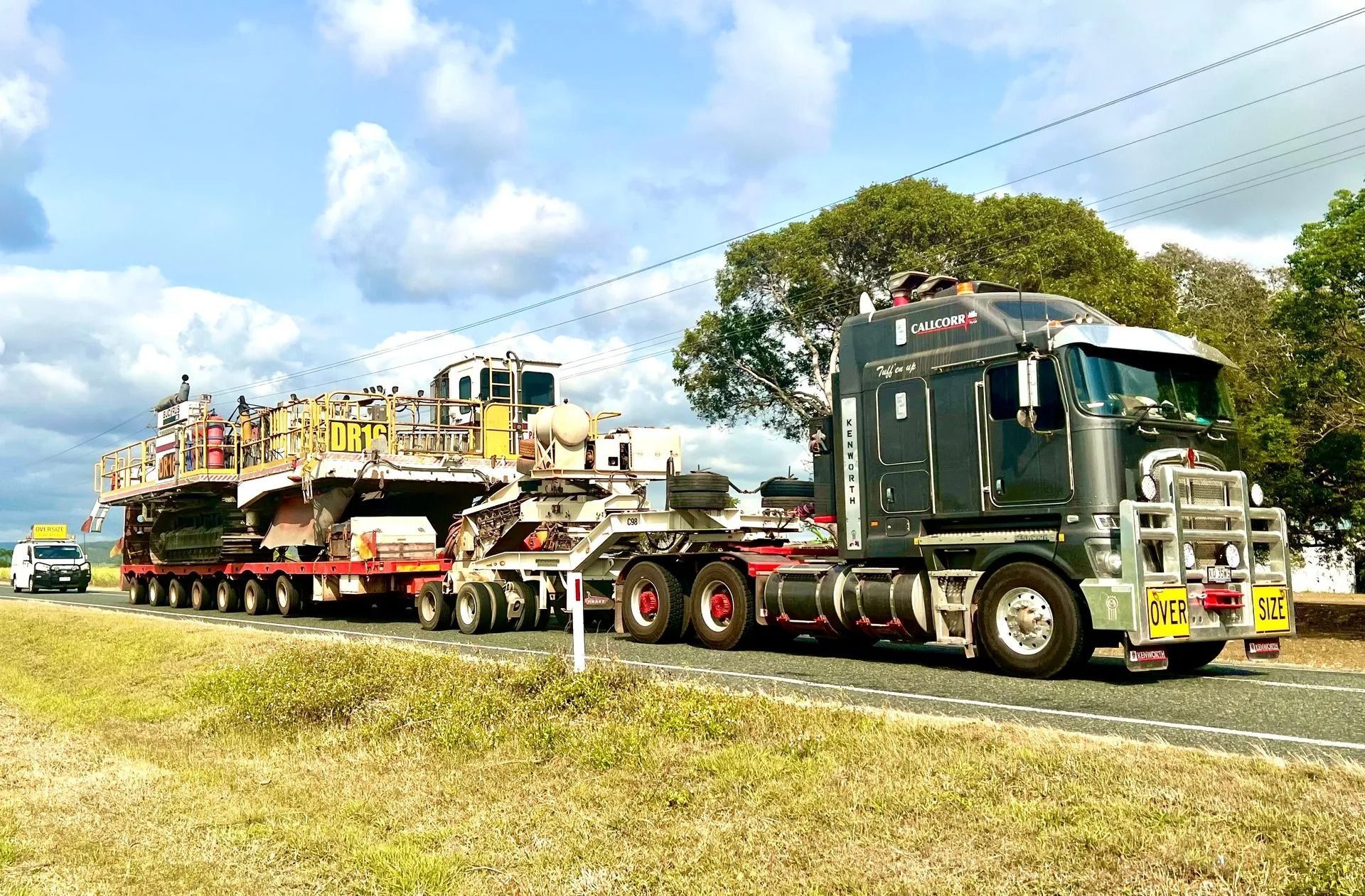
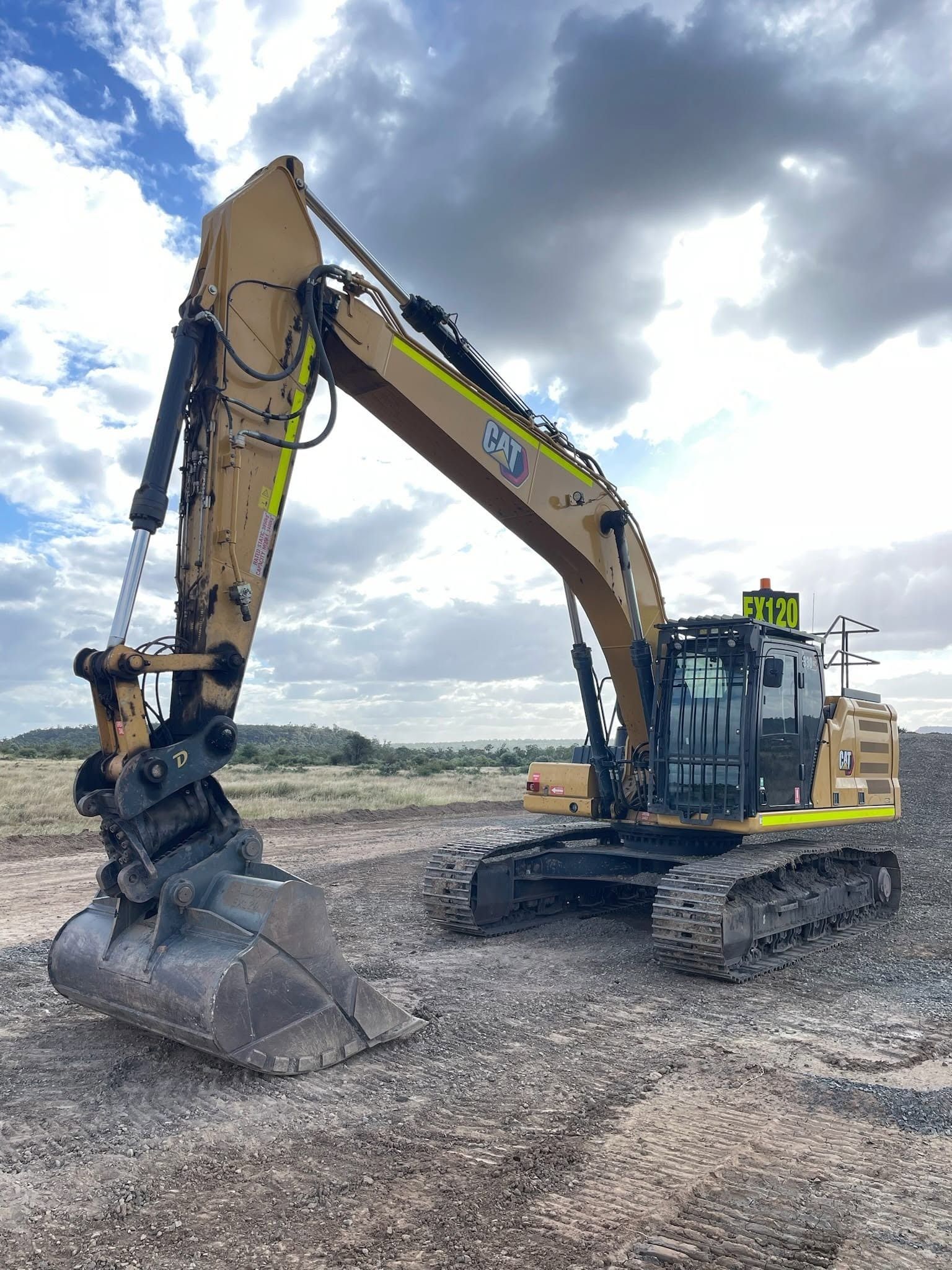
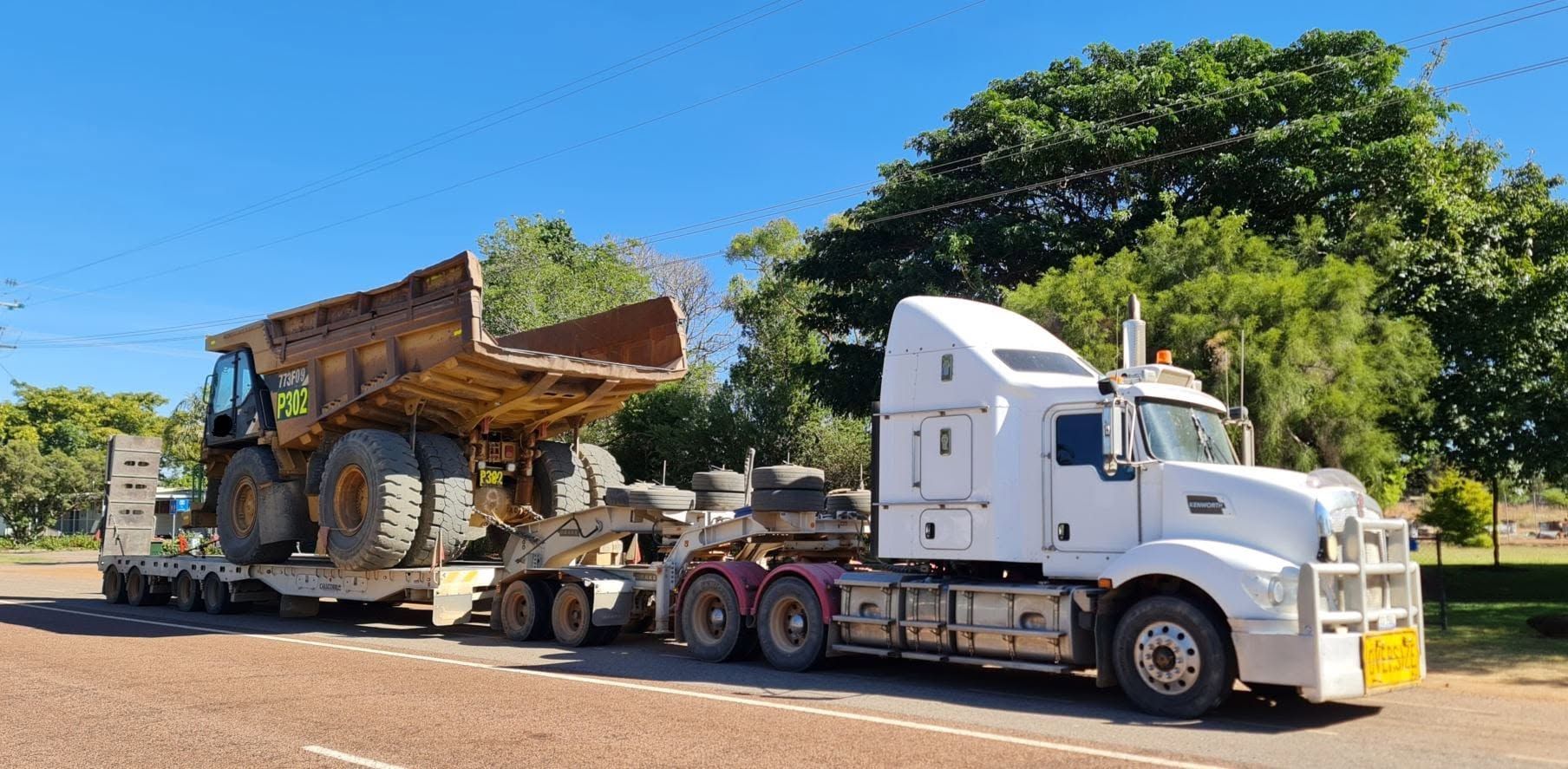
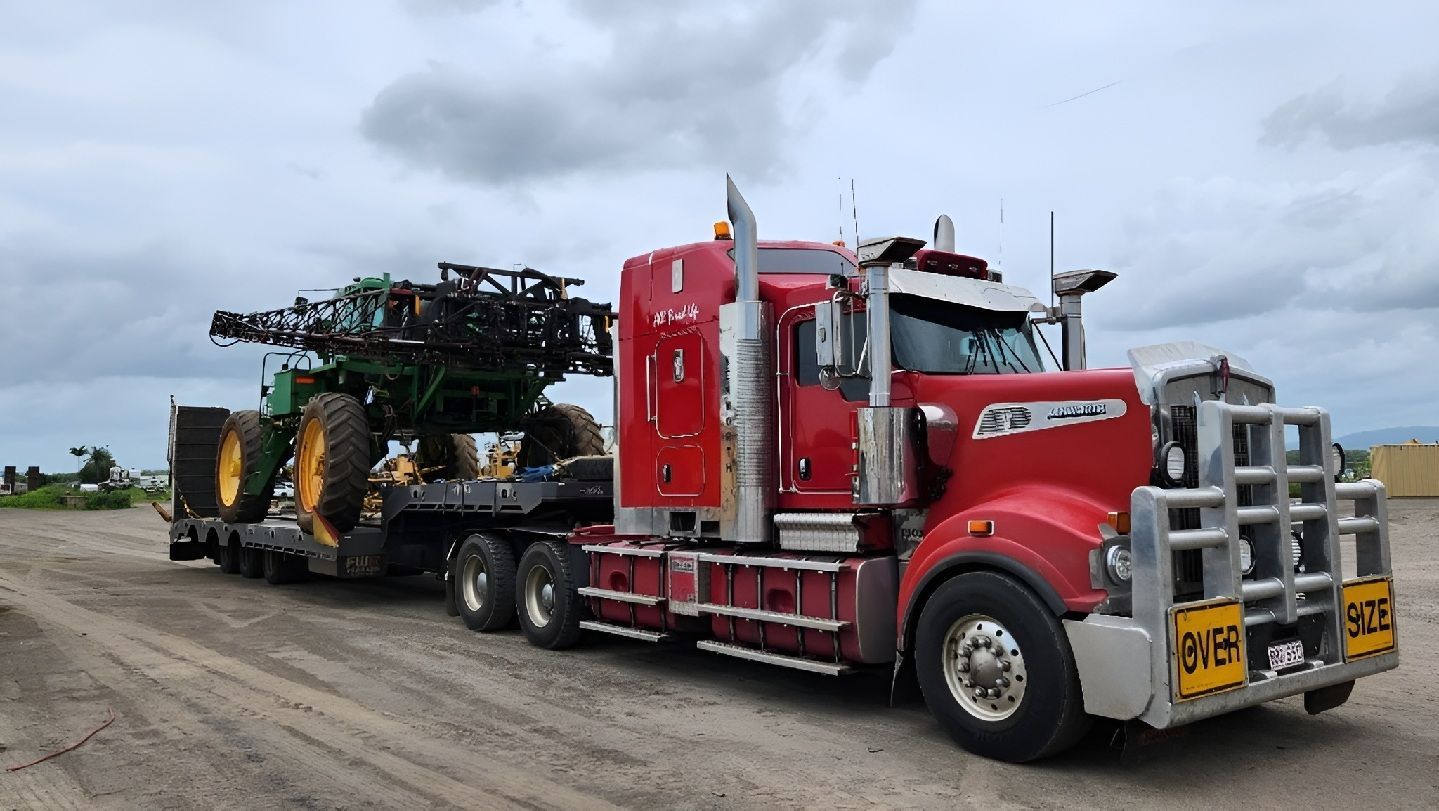
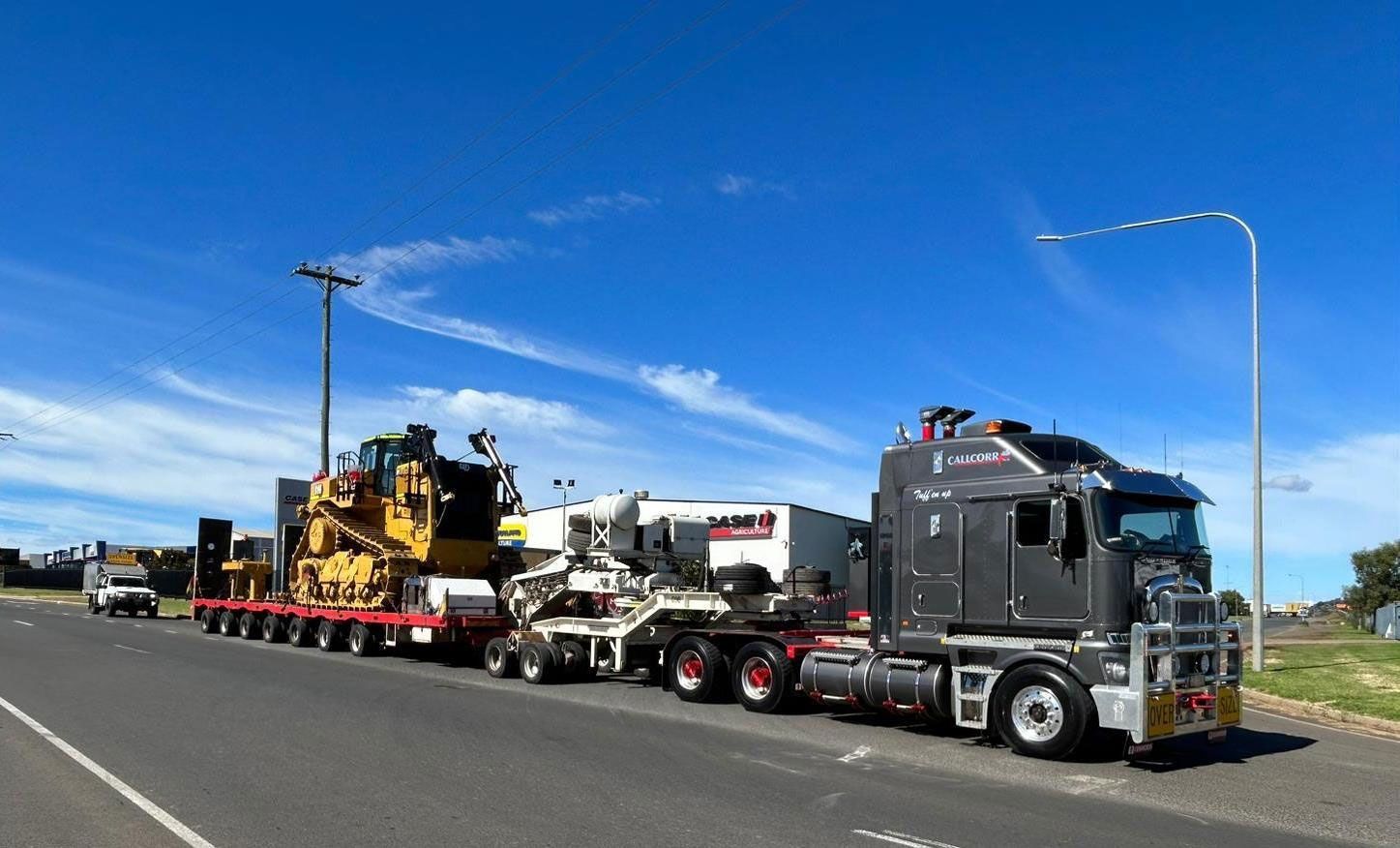
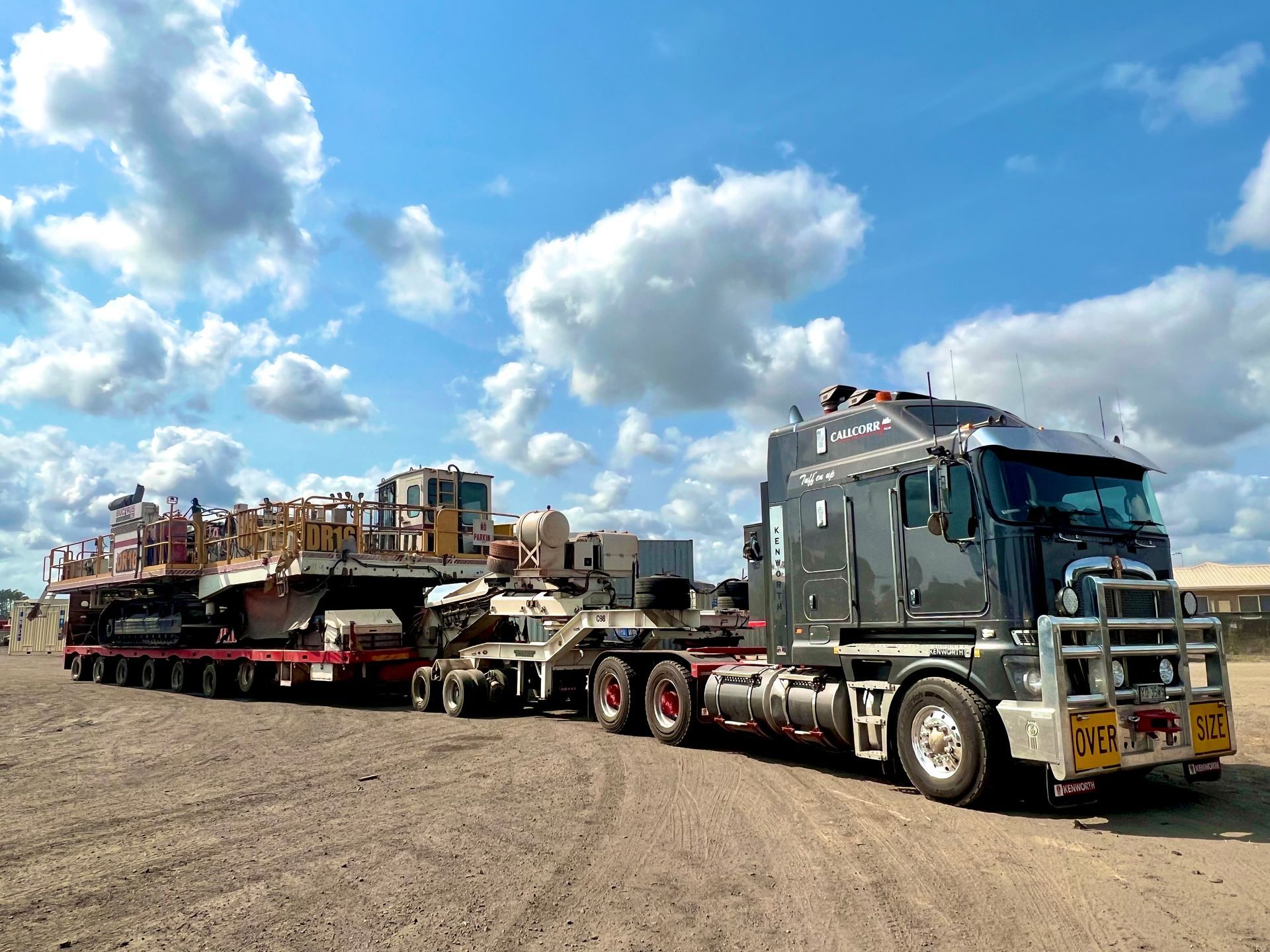
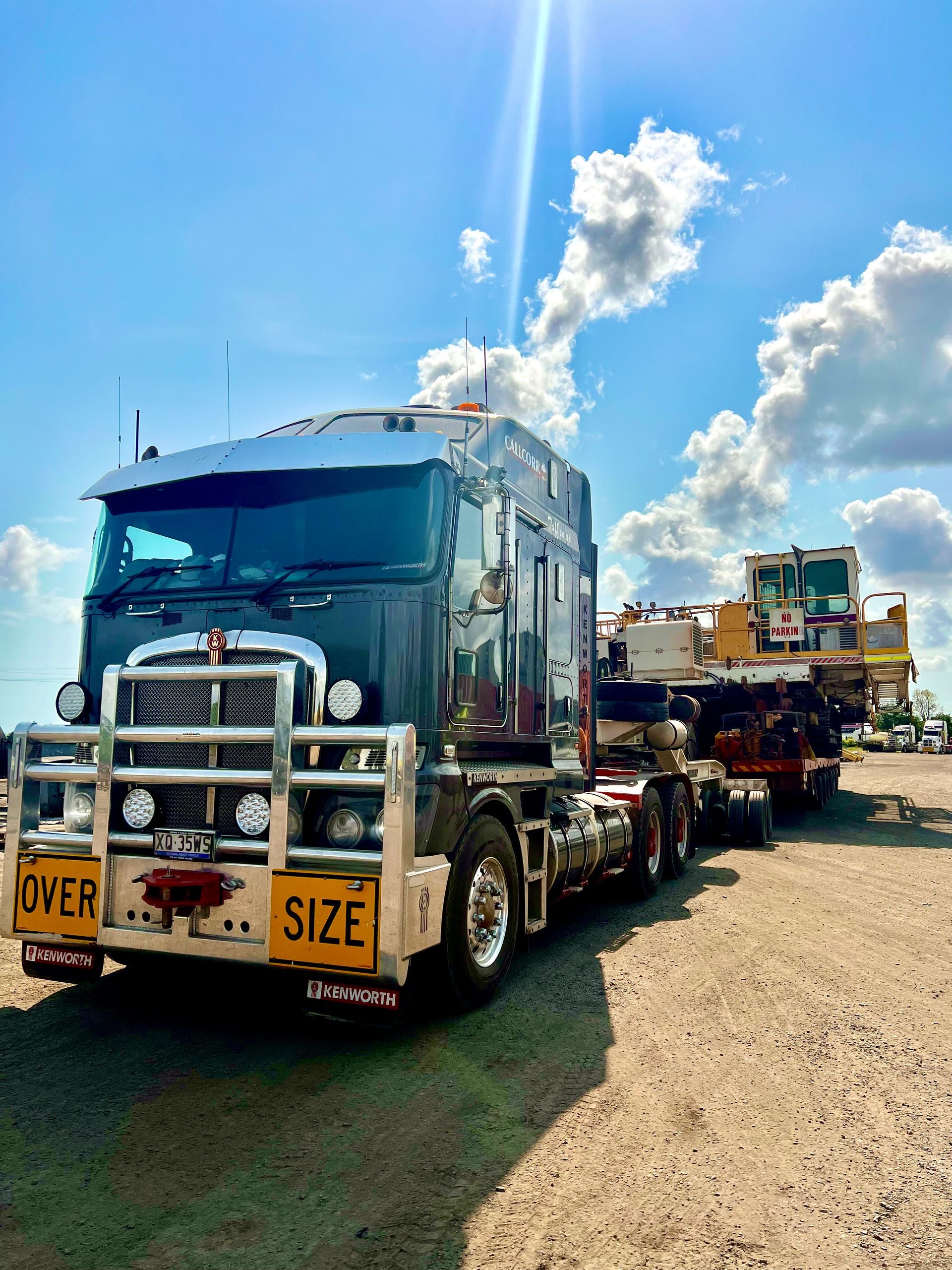
Whether you’re relocating a dozer, transporting an excavator or moving oversized plant equipment in or around Mackay, proper planning is essential. Here’s a breakdown of the most common mistakes people make when arranging heavy haulage in Mackay — and how to avoid them.
1. Underestimating the Machine’s Size & Weight
Incorrect measurements are one of the most common and costly errors. Height, width, length and weight all play a role in determining the type of trailer needed, permit requirements and the suitability of routes. Even small miscalculations can throw the entire job off track.
Before you book:
- Measure the machine with all attachments included
- Double-check the manufacturer’s specs for transport weight
- Be aware of modifications or added accessories
- Confirm whether the equipment needs partial disassembly
Without accurate details, your transport provider can’t select the right trailer or secure the proper approvals.
2. Failing to Secure the Right Permits
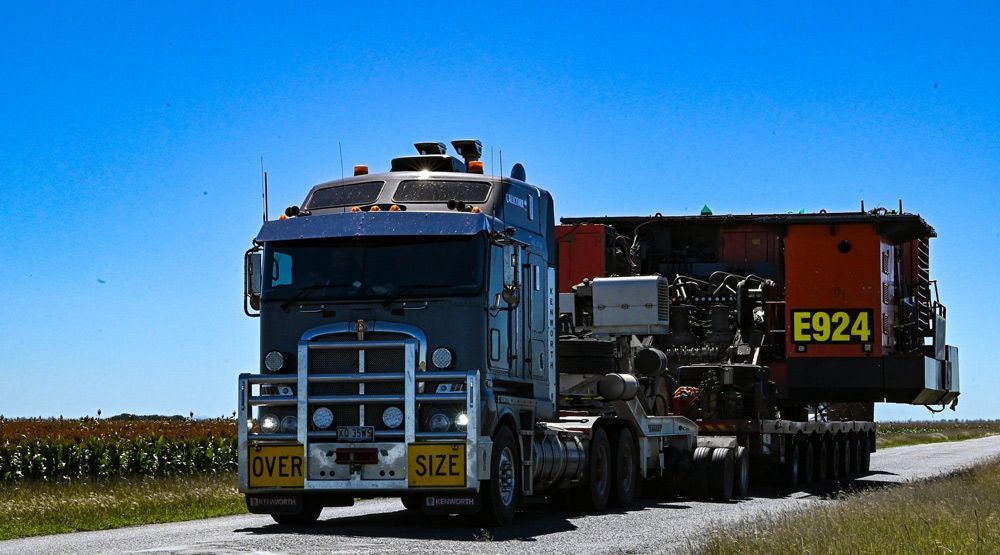
Many pieces of heavy equipment exceed standard load dimensions. Oversized or overmass transport often requires permits from local and state authorities. Operating without them can result in fines, delays or being pulled off the road entirely.
Permits are based on:
- Load size and weight
- Route and distance
- Required travel windows (some loads are restricted to daylight hours)
- Whether pilot or escort vehicles are needed
A quality heavy haulage provider in Mackay will manage the permits for you — but only if they’ve been given accurate information from the start.
3. Choosing the Wrong Transport Partner
Heavy machinery transport is a specialised task. Hiring a general freight operator or going with the cheapest quote can backfire if the haulier isn’t equipped for oversized loads.
Look for a provider that:
- Has experience in heavy haulage, not just general transport
- Offers a modern, well-maintained fleet suited to your load
- Handles compliance, route planning and pilot vehicles
- Carries adequate insurance and follows load restraint codes
Choosing the right partner reduces risk, improves turnaround time and protects your gear during every stage of the move.
4. Not Preparing the Equipment for Transport
A machine that isn’t prepared properly can cause issues with load safety, height clearance or equipment damage. It also slows down loading and may even breach road rules.
Before the truck arrives:
- Remove loose tools and cab items
- Lower or secure all booms, arms and attachments
- Isolate the battery if required
- Clean off excess dirt, especially for interstate jobs
- Check for leaks or issues that could affect the load
In some cases, disassembly of parts like buckets, rippers or counterweights may be necessary to meet height or width limits.
5. Ignoring Site Access Limitations
Even if transport is arranged, getting the truck in and out of your site can be just as challenging. Tight access, soft ground, low-hanging branches or overhead wires can all delay a job or create safety hazards.
Avoid issues by:
- Visiting both pickup and drop-off locations in advance
- Identifying any access restrictions (gate width, slopes, tight turns)
- Clearing the area of debris or parked vehicles
- Providing site maps or entry instructions to your haulier
Good communication upfront helps your transport provider bring the right vehicle and avoid last-minute reroutes.
6. Leaving It Too Late to Book
Heavy haulage isn’t something that can always be arranged at short notice. If you leave it until the week before site delivery, you might struggle to find availability or face increased costs.
Book early if:
- Your equipment is oversized or overmass
- Your site is in a remote or regional location
- You need delivery to align with crane or installation crews
- There’s a known wet season or public holiday period approaching
Early planning gives your haulier time to arrange permits, coordinate escorts and secure the safest route.
7. Forgetting About Insurance Coverage
Transporting high-value equipment always carries risk. Assuming that either your haulier or your existing policy automatically covers the load can lead to costly surprises if something goes wrong in transit.
Make sure:
- You check your current insurance for transport clauses
- Your provider offers in-transit insurance (and what it excludes)
- You disclose the true value of the machinery when booking
- You understand what happens in the event of damage or delays
Extra cover might be worth it for peace of mind, especially when moving expensive or hard-to-replace gear.
8. Overlooking Load Restraint Requirements
Incorrect or insufficient load restraint is a major safety risk — and a legal issue. Just because machinery looks heavy doesn’t mean it’s secure. It must be tied down according to the National Load Restraint Guide, using approved equipment and anchor points.
Common restraint issues include:
- Relying on chains that are too short or under-rated
- Not isolating movement in all directions (forward, backward and sideways)
- Failing to use enough tie-down points
- Damaged or stretched restraint equipment
- No edge protection where chains contact painted or soft surfaces
Reliable heavy haulage in Mackay will follow the correct procedure, but it's still your responsibility to ensure the load is secure. Poor restraint can lead to shifting during transit, fines — or worse, accidents.
9. Misjudging Load Restraint Requirements
Load restraint is about more than chains and tension. The forces involved in moving a 20-tonne excavator — even slightly — are enormous. Misjudging what’s required can lead to cracked panels, bent undercarriages or damage to trailers.
Restraint issues often arise when:
- Machines have unusual shapes or balance points
- Operators overlook lashing angles or soft tie-downs
- There’s inadequate friction between the load and deck
- Straps are used where chains are required for compliance
Heavy loads need more than just bulk to stay in place — they need engineered restraint solutions tailored to the machine. Make sure your transport team has experience with your specific make and model.
10. Poor Communication Throughout the Job
The success of any machinery move often comes down to communication. Missing or unclear details can create delays, risk damage, or disrupt your broader project timeline.
Stay in control by:
- Confirming all specs, permits and timing in writing
- Giving the haulier direct contact details for on-site personnel
- Following up before pickup and delivery to confirm readiness
- Asking for transport updates and signoff documents
When you and your transport partner stay in sync, the job runs smoother and there are fewer surprises on arrival.
Book Trusted Heavy Haulage in Mackay
At Callcorr Pty Ltd, we specialise in heavy haulage throughout Mackay and Central Queensland. We’ve helped small crews, equipment dealers and project managers move machinery safely, compliantly and without fuss — no matter how large, wide or complex the load.
From permit planning and pilot vehicles to load restraint and site coordination, we take care of the entire process so you can stay focused on the job ahead. If you're moving heavy machinery for the first time, or just want the confidence of working with professionals who know local roads and regulations, we’re ready to help.
Reach out to the Callcorr team today to book your transport or get expert advice on your next move.